Potted Thyme Layered Plant Review
When I first opened the file for the Potted Thyme Layered Plant, my initial reaction was a sense of calm. In a market flooded with generic floral bouquets and overly complex botanicals, this design feels grounded and organic. It captures the specific mood of a well-loved kitchen herb garden—simple, useful, and undeniably pretty. As an experienced designer who has spent years testing files for both personal projects and commercial client work, I know that finding a design that balances aesthetic charm with technical feasibility is rare. This piece from the Floral Compositions category offers a refreshing take on 3D SVG embroidery templates.
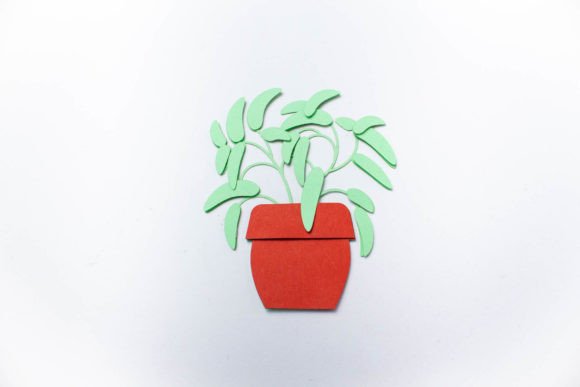
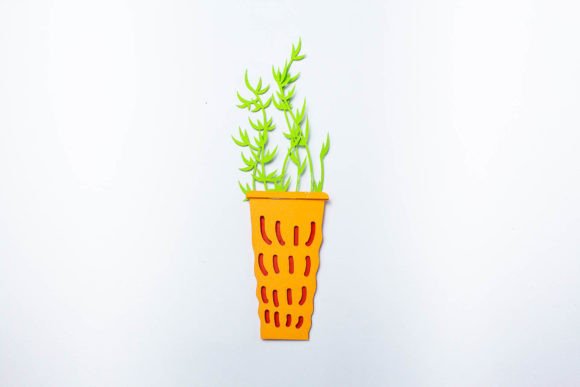
The concept behind the Potted Thyme Layered Plant is straightforward yet effective. It aims to create a realistic, three-dimensional look using layered techniques. Unlike flat designs that rely solely on fill stitches, this approach invites the use of varied stitch types to build texture and depth. The visual personality of the thyme plant is distinct; it is not a rigid rose or a perfect lily, but rather a sprawling, naturalistic bush in a rustic pot. This makes it an excellent candidate for brands that want to convey authenticity, sustainability, or a cozy, handmade vibe.
Real-World Application: From Digital File to Finished Product
I recently put this design through its paces while preparing a custom order for a boutique client. They wanted a line of aprons featuring small, charming herbs for their new kitchen collection. My goal was to see if the Potted Thyme Layered Plant could hold up as a central motif on a heavy-duty cotton canvas apron without looking lost or becoming too dense to stitch cleanly.
The result was impressive. Because the design utilizes layering, the thyme leaves appear to grow outward from the center, creating a soft, organic silhouette that mimics the actual plant. When stitched onto the dark navy fabric of the apron, the contrast between the thread colors and the background made the greenery pop without overwhelming the garment. It felt like a genuine handmade product rather than a mass-produced sticker applied via machine.
This scenario highlights where this design truly shines. It is perfect for tote bag design projects where a subtle nod to nature is preferred over large, bold graphics. Imagine a set of canvas bags sold at a farmer's market, each featuring a different herb from this series. The Potted Thyme Layered Plant would serve as a standout item because it looks sophisticated enough for a high-end shop but casual enough for everyday use. Similarly, for sweatshirt embroidery on lighter fabrics, the layered effect adds a tactile quality that customers love to touch, increasing the perceived value of the finished item.
Navigating Technical Challenges and Fabric Choices
While the design is strong, no machine embroidery design is without its challenges. The "layered" aspect implies a certain level of complexity that requires careful execution. One area where I advise caution is on stretchy fabrics like jersey or thin knits. If you attempt to stitch this detailed herb on a flimsy material without adequate support, the tension required for the satin and fill stitches can cause puckering, ruining the clean lines of the pot and the delicate tips of the leaves.
For best results, always pair this file with a proper stabilizer. A cut-away stabilizer is recommended for garments that will be washed frequently, such as kitchen towels or aprons, to ensure the shape remains stable over time. If you are working with a small hoop size, you must verify that the intricate details of the thyme foliage do not get crowded. Tiny corners and fine leaf tips can sometimes get lost if the digitization density is too high for the available space.
Another critical consideration is the color palette. The success of a 3D effect relies heavily on the lighting and the thread selection. On dark fabric, you will need to choose threads that provide sufficient contrast, perhaps opting for variegated greens to enhance the dimensional look. Conversely, on light backgrounds, ensure the darker outlines of the pot are visible so the design doesn't fade into the fabric. Testing the design in black and white mockups before committing to thread changes is a smart strategy to check for clarity and balance.
Strategic Use Cases for Crafters and Sellers
If you are an Etsy seller or a small business owner, the Potted Thyme Layered Plant offers versatile opportunities. It fits seamlessly into seasonal collections, particularly for holiday gifts or spring-themed decor. A pillow cover featuring this design could become a bestseller in a nursery setting, offering a gentle, nature-inspired aesthetic for baby items. For wedding gifts, consider pairing this with a monogrammed initial on the pot itself, adding a personalized touch that elevates the item from a standard craft to a cherished keepsake.
The design also works exceptionally well as an embroidered patch. The defined edges of the pot and the natural shape of the thyme make it easy to apply to denim jackets, caps, or hats. However, when applying to curved surfaces like caps, remember that the layering might require slight adjustments in placement to avoid distortion around the curve. Always test on a scrap piece of the same fabric first to gauge how the stitches behave on the specific material.
For those selling digital products or creating printable mockups, this design serves as a high-quality asset. Its realistic look translates well into digital previews, allowing customers to visualize the final finished product accurately. This transparency builds trust and reduces returns, as buyers know exactly what they are getting. Whether you are designing for commercial embroidery projects or creating unique craft business items, the versatility of this file is a significant advantage.
Final Thoughts on Design Integrity and Value
In the world of embroidery project management, the difference between a good design and a great one often comes down to attention to detail and practical application. The Potted Thyme Layered Plant succeeds because it respects the medium. It does not try to be something it isn't; instead, it embraces the limitations and strengths of thread and fabric to create a believable image.
It affects visual appeal by adding a layer of sophistication to simple garments. It enhances product value by suggesting care and craftsmanship in every stitch. For creative entrepreneurs, this design is more than just a graphic; it is a tool for building a brand identity that values nature and quality. When customers receive a personalized gift or a piece of custom apparel featuring this design, they are likely to recognize the effort put into the stitch density and the thoughtful composition.
To conclude, if you are looking for a reliable embroidery file that bridges the gap between artistic expression and technical reliability, this is a strong contender. Just remember to check your thread colors, confirm your hoop size, and review the specific instructions for layering to achieve the best outcome. By taking these practical steps, you can transform a digital template into a stunning, market-ready item that stands out in any shop or collection.