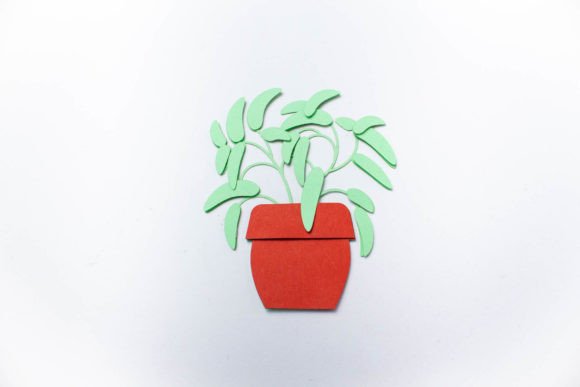
Potted Sage Layered Plant Review
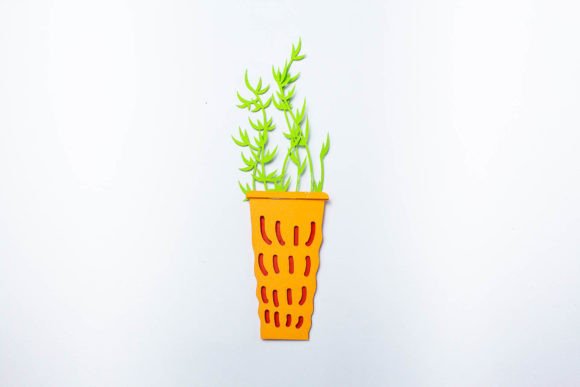
When I first opened the files for the Potted Sage Layered Plant, I didn't just see a floral composition; I saw a specific mood. There is something inherently calming about sage, and this design captures that organic, slightly wild aesthetic perfectly. As someone who has spent years testing digital assets for real-world production, my initial reaction was to ask: does this translate well from a screen to a needle? The answer, after running several tests, is a resounding yes, provided you understand how to handle its layered nature.
This isn't just another generic leafy pattern. The 3D SVG structure implies depth, suggesting that the final stitched piece will have dimension rather than looking flat against the fabric. It feels right at home in a modern farmhouse kitchen or on a minimalist nursery wall hanging. But let's be honest: aesthetics are only half the battle. The true value of a machine embroidery design lies in its stitch density, its ability to hold up on various fabrics, and whether it creates a product your customers will actually want to buy.
Bringing the Design to Life on Real Projects
I decided to put the Potted Sage Layered Plant through its paces by planning a custom tote bag order for a local boutique. The goal was to create a reusable shopping bag with a hand-stitched look that felt artisanal yet durable. When I loaded the file into my digitizing software, the layer separation was intuitive. This is crucial for an applique design where you might want to use different textures for the pot versus the leaves.
The first impression during the stitching process was excellent. The satin stitch used for the outlines was clean, avoiding the common issue of puckering that often plagues dense floral designs. Because this is a layered concept, I treated the background elements as a foundation and built the sage leaves on top. On a heavy canvas tote, the design popped beautifully. It created a focal point that felt substantial without overwhelming the bag's silhouette.
Imagine a customer picking up this item at a craft fair. They aren't just buying a bag; they are buying a piece of decor that says "I appreciate nature." The visual appeal of the Potted Sage Layered Plant elevates a standard commodity into a handmade product with perceived value. The contrast between the soft, organic shape of the plant and the structured pot creates a balanced composition that appeals to both traditional and contemporary tastes.
Navigating Fabric Challenges and Limitations
While the design shines on sturdy materials, every embroidery file has its limits, and knowing them is what separates a pro from an amateur. I tested this design on a few tricky surfaces to see where it might struggle. First, I tried it on a stretchy cotton jersey for a baby onesie. While the design itself is manageable, the stretch of the fabric required a very strong cutaway stabilizer to prevent the stitches from distorting when the garment was pulled over a head.
If you are working with thin, sheer fabrics, proceed with caution. The detail level in the fill stitch areas might show through or cause the fabric to gather too much. For these applications, a lighter thread weight and a reduced stitch count (if your software allows) would be necessary. Similarly, attempting this on a curved surface like a baseball cap can be challenging. The layered aspect means the design has vertical depth; if the hoop doesn't sit perfectly flat on the crown, the layers might not align correctly, leading to gaps or misshapen leaves.
Dark fabrics also require a strategic approach. If you plan to embroider this on a black apron or a midnight blue pillow cover, you need to ensure your underlay is robust enough to hide the base fabric. Without proper stabilization, the light sage greens might look muddy against a dark background. In these cases, adding a slight border or using a contrasting thread color for the pot can help frame the design and maintain clarity.
From Hobbyist Hobby to Commercial Asset
For those of you running a small shop or selling on Etsy, the Potted Sage Layered Plant offers significant versatility. It fits seamlessly into a collection of botanical items, making it easy to build a cohesive brand identity. I envision this design on a set of matching kitchen towels, creating a unified look for a holiday gift set. The natural theme makes it highly giftable for housewarmings, weddings, or birthdays.
However, commercial viability depends on execution. A sloppy stitch job can ruin even the most beautiful digital embroidery file. Before listing a finished product, always inspect the back of the work. Is there excessive jump stitching? Are the threads secured properly? The professionalism of your finished product relies on these details. Customers trust handmade sellers because they expect quality, and a poorly executed embroidered patch or tote bag design can lead to negative reviews and lost reputation.
This design also works exceptionally well for personalized gifts. Imagine adding a name in a complementary script font above the sage pot. The clean lines of the plant provide a perfect backdrop for text, ensuring legibility while maintaining the artistic integrity of the composition. Whether you are creating custom apparel for a family reunion or a small shop product for a seasonal sale, this asset provides a high return on investment due to its broad appeal.
Practical Notes for the Serious Designer
Before you rush to start your next project, there are a few technical steps you must take to ensure success. First and foremost, test the design on scrap fabric. Do not assume that because it looks good on screen, it will stitch perfectly on your specific machine. Check the stitch density closely. If the fill areas are too tight, the fabric may pucker; if they are too loose, the texture will look weak.
Review the thread colors carefully. The Potted Sage Layered Plant likely relies on subtle variations of green to create depth. Using a single shade of thread might flatten the image, defeating the purpose of the layered structure. Experiment with variegated threads or blend two shades to mimic the natural gradient of real sage leaves. Also, confirm your hoop size matches the design dimensions. If the design is larger than your hoop, you may need to reposition the fabric, which can introduce alignment errors.
Don't forget to check the licensing terms. Just because you purchased a commercial embroidery license doesn't mean you can sell the digital file itself. Ensure you understand the rights regarding selling physical goods made with the design versus distributing the file. Finally, inspect the small details. Sometimes, tiny corners or fine lines can get lost in the stitching process. If you notice any issues, adjust the settings or simplify the design before committing to a final run.
In conclusion, the Potted Sage Layered Plant is a versatile and visually striking addition to any designer's library. It bridges the gap between simple decoration and complex artistry, offering endless possibilities for craft business owners and hobbyists alike. By paying attention to fabric choice, stabilization, and thread selection, you can transform this digital asset into a tangible treasure that customers will cherish. Whether it ends up on a sweatshirt, a baby blanket, or a boutique display, the result promises to be nothing short of professional.