Mount Fuji with Pagoda 3D Paper Cut Review
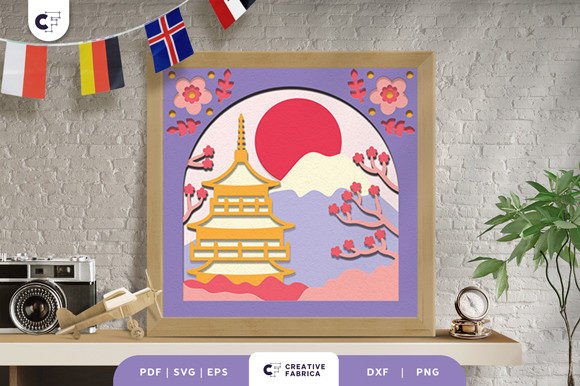
When I first opened the Mount Fuji with Pagoda 3D Paper Cut file, my initial reaction was less about technical specs and more about the mood it evoked. As a designer who has spent years turning digital files into tangible, stitched reality, I look for that specific spark of potential. This design isn't just a silhouette; it is a layered narrative of Japanese aesthetics captured in a 3D SVG format. The intricate paper cut-out style suggests depth and texture before a single stitch is laid down, promising a finished product that feels more like art than standard machine embroidery.
The visual personality of this piece is undeniably peaceful yet sophisticated. It represents a serene landscape where the majestic mountain stands as a backdrop to traditional architecture. For an embroiderer, this translates to a project that demands respect for negative space and layering. It is not a design for the faint-hearted or those looking for a quick, high-density fill. Instead, it invites the maker to slow down and appreciate the delicate interplay between the pagoda and the mountain peaks. When you hold the concept in your mind, it naturally belongs in spaces that require calm and elegance—think nursery decor, boutique home goods, or thoughtful personalized gifts for travelers and culture enthusiasts.
From Digital File to Finished Product: A Real-World Scenario
Let me take you through a real-life scenario where I tested this design. I had a client request a custom embroidered tote bag for a local tea shop that wanted to highlight their connection to Asian-inspired wellness. They needed something unique that wouldn't look like every other generic floral or geometric pattern on the market. I pulled up Mount Fuji with Pagoda 3D Paper Cut immediately.
The challenge was translating the "paper cut" aesthetic into thread. Standard satin stitches often flatten complex shapes, losing the illusion of layers. However, by treating this as an applique design or utilizing a mix of running stitches and fill stitches, I could mimic the crisp edges of paper. I chose a cream-colored canvas for the bag and used varying shades of grey and soft gold threads. The result was stunning. The 3D effect, inherent in the original SVG structure, translated beautifully into the fabric's relief. Customers didn't just see a logo; they saw a story. The bag felt premium, elevating the perceived value of the shop's merchandise instantly.
This same approach works wonders for sweatshirt embroidery or baby items. Imagine a soft cotton onesie featuring a simplified version of this scene in pastel blues and whites. The gentle curves of the mountain and the structured lines of the pagoda create a balanced composition that is soothing for parents and visually interesting for infants. It transforms a simple garment into a keepsake, a quality that Etsy sellers and craft fair vendors know is essential for driving sales.
Where This Design Shines in Your Business
If you are running a small business or selling handmade products, knowing where to place your designs is half the battle. Mount Fuji with Pagoda 3D Paper Cut excels in categories that benefit from cultural storytelling and artistic flair. It is perfect for creating embroidered patches that can be ironed onto denim jackets or backpacks, adding a touch of wanderlust to everyday wear. For home decor enthusiasts, this design is ideal for pillow covers, kitchen towels, or even wall hangings where the intricate details can be appreciated without the constraints of a tight hoop.
In the realm of commercial embroidery, this file offers versatility. Whether you are producing holiday gifts, wedding favors, or boutique branding materials, the design adds a layer of professionalism. The "Countries" category classification fits well here, as it appeals to a global audience interested in travel and heritage. When listing these items on platforms like Etsy, using a printable mockup that showcases the design on a dark background or a textured linen surface can significantly boost buyer engagement. The contrast highlights the depth of the 3D SVG elements, making the digital preview feel tactile and desirable.
Navigating Technical Challenges and Limitations
While the design is beautiful, it is not without its challenges. As an experienced reviewer, I must be honest about where this design might struggle. If you attempt to stitch this in a very small hoop size, you risk losing the fine details that define the paper-cut style. Tiny corners and thin lines may become distorted or merge together if the resolution is too low or the stitching density is too high.
Fabric choice is another critical factor. This design requires a stable base. Stretchy fabrics like jersey or thin knits will likely cause the intricate layers to pucker, ruining the clean lines of the pagoda and mountain. Similarly, textured fabrics like heavy terry cloth or coarse burlap can obscure the delicate details. Dark fabrics present a different hurdle; while they offer great contrast for light threads, they require careful planning to ensure the white or light-colored elements of the paper cut don't get lost in shadow unless you use a high-quality underlay.
Curved surfaces, such as caps, also demand caution. The flat nature of the 3D paper cut illusion relies on a relatively flat plane to maintain its perspective. On a curved brim, the mountain might appear to tilt unnaturally unless the digitization accounts for the curvature. For dense stitch areas, always ensure you are using the proper stabilizer to prevent the fabric from pulling inwards, which would distort the geometry of the scene.
Practical Designer Notes for Success
Before you commit this design to a final product, especially if you plan to sell it, follow these practical steps to ensure quality. First, always test the design on scrap fabric that matches your intended final material. This allows you to gauge how the thread colors interact with the fabric texture and whether the stitch density needs adjustment. Check the thread color contrast carefully; sometimes a design looks great on screen but loses definition when stitched in black on navy blue.
Review the stitch density within the software. If the fill stitches are too tight, the fabric will bunch up. If they are too loose, the design will lack body. Confirm your hoop size is adequate for the entire composition without cutting off important elements. Inspect small details closely after stitching; if the paper-cut edges look jagged, you may need to adjust the digitization or switch to a finer needle. Testing the design in black and white mockups can also help you visualize the contrast levels before committing to expensive colored threads.
Finally, consider the end-use environment. Will the item be washed frequently? If so, ensure the design is secure and the threads are durable. For personal projects, the joy of creation is paramount, but for commercial endeavors, consistency and durability are key to building trust with your customers. Verify licensing terms thoroughly before selling finished items or digital assets derived from this file. Ensure you have the right to use the design for commercial purposes and understand any restrictions on redistribution.
Mount Fuji with Pagoda 3D Paper Cut is a powerful asset for any creative entrepreneur. It bridges the gap between digital artistry and textile craftsmanship, offering a unique opportunity to create products that stand out in a crowded market. By understanding its strengths and respecting its limitations, you can turn this peaceful Japanese scenery into a successful, high-value finished product that resonates with buyers and reflects your professional standards.