Ladybug Folk Art 3D Layered Paper Cut Review
When I first opened the file for Ladybug Folk Art 3D Layered Paper Cut, my immediate reaction wasn't about stitch counts or hoop sizes; it was about the mood. This isn't just a bug; it is a piece of folk culture brought to life through digital layers. As someone who has spent years turning raw design files into tangible products for clients and craft fairs, I know that the difference between a generic clip-art image and a sellable asset often comes down to personality. This design feels warm, nostalgic, and incredibly tactile, even before a single thread touches the fabric.
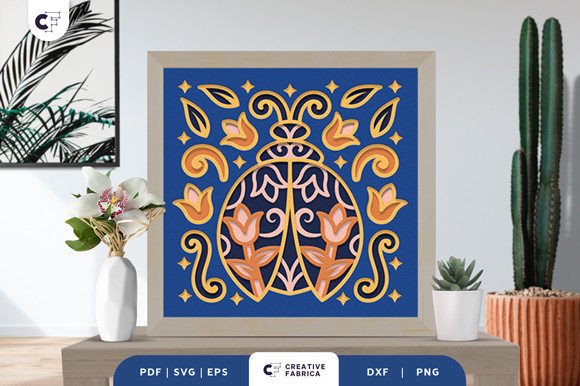
The concept of a "3D SVG" in embroidery usually implies depth created through layering rather than literal three-dimensional stitching. Here, the design mimics the look of paper cut art, which translates beautifully into machine embroidery if handled with the right technique. The visual personality is distinct: it suggests a handmade aesthetic that fits perfectly within the current market trend for rustic, cottage-core, and artisanal goods. It creates an instant connection with customers who value uniqueness over mass-produced perfection.
Real-World Application: From Screen to Stitch
Let's talk about how this design performs when it leaves the screen and enters the real world. I recently considered using Ladybug Folk Art 3D Layered Paper Cut for a custom embroidered tote bag project intended for a local boutique owner. The goal was to create a spring-themed accessory that felt personal and gift-ready. The layered nature of the papercut style suggested itself naturally for a multi-color satin stitch approach, where each "layer" of the paper effect could be rendered as a separate color block.
Imagine placing this on a canvas tote bag. The folk art vibe would stand out against a natural linen background, creating a striking contrast that looks like a finished product straight from a high-end craft fair. For a small business owner or an Etsy seller, this design offers a unique selling point. It moves beyond the standard floral or geometric patterns found in thousands of other listings. When a customer sees a ladybug designed with the intricacy of paper cutting, they perceive higher value. It signals that the maker put thought into the design selection, not just the execution.
This same logic applies to apparel. On a sweatshirt or a baby onesie, the detailed corners and organic shapes of the papercut style add a softness that rigid geometric designs lack. It works exceptionally well for nursery decor items, such as pillow covers or wall hangings, where the "seasons" theme can be expanded upon. While this specific file focuses on the ladybug, the folk art aesthetic makes it versatile enough to pair with seasonal elements later, making it a smart investment for a designer building a cohesive collection.
Navigating Technical Challenges
However, beauty alone does not guarantee success in embroidery. As an experienced reviewer, I must highlight where Ladybug Folk Art 3D Layered Paper Cut requires careful planning. The 3D layered effect relies heavily on clean lines and distinct separation between colors. If you attempt to stitch this on a stretchy knit fabric without proper stabilization, those delicate "paper" edges might pucker, ruining the illusion of flat, crisp layers.
I also need to address the issue of texture. Textured fabrics, such as heavy denim or bouclé, can obscure the fine details inherent in the papercut style. The intricate corners of the design might get lost in the weave of the material. Similarly, if you are working with thin fabrics like silk or lightweight rayon, the density required to hold the shape of the ladybug could cause the fabric to distort. In these cases, a stabilizer choice becomes critical. You cannot simply guess; you must test the design on scrap fabric first to ensure the thread tension holds up without pulling the base material.
Another area requiring caution is the hoop size. Designs with complex, layered details often benefit from larger hoops to maintain stability during the stitching process. Attempting to fit this design into a very small hoop might force the machine to stitch too tightly, leading to thread breaks or a loss of definition in the smaller segments. If you are planning to use this for a small item like a cap or a patch, you must verify that the design scales well without losing its character. Curved surfaces, such as hats, present another challenge; the flat paper-cut aesthetic might not translate perfectly to a curved brim unless the digitizing accounts for the curvature, which is something you should confirm with the file creator.
Impact on Brand and Customer Trust
The quality of your embroidery directly influences customer trust. A sloppy finish on a design as detailed as Ladybug Folk Art 3D Layered Paper Cut can make a professional-looking product appear cheap. Conversely, a clean execution elevates the entire brand. When a buyer receives a personalized gift or a boutique item featuring this design, the clarity of the stitches tells them that care was taken. This perception drives repeat business and positive reviews on platforms like Etsy or at craft markets.
For commercial embroidery projects, consistency is key. If you plan to sell this design as part of a series, ensuring that the thread colors remain consistent across different batches is vital. The folk art theme invites a specific palette—likely earth tones, deep reds, and soft greens. Using the wrong thread colors can break the immersion of the design. Always review the stitch density and compare light and dark fabric backgrounds to ensure the design remains visible and vibrant regardless of the substrate.
Practical Designer Notes for Success
Before you commit to a full production run, there are several steps every designer should take. First, check the licensing terms thoroughly. If you intend to sell finished items featuring Ladybug Folk Art 3D Layered Paper Cut, you need to know if the license allows for commercial use. Many digital products come with restrictions that prohibit resale of the final physical goods, so verifying this upfront saves legal headaches later.
Next, inspect the small details in the original file. Does the design include tiny lettering or extremely fine lines? These are common failure points in embroidery. If the design includes text, ensure it is legible at the intended size. Run a test in black and white mockups to see how the layers interact visually without the distraction of color. This helps you decide if you need to adjust the thread colors or simplify certain areas before digitizing.
Finally, consider the end-user experience. Products that require frequent washing, like aprons or kitchen towels, need robust stitching. Dense stitch areas in the center of the design can become stiff and uncomfortable if not balanced correctly. Ensure that the design uses a mix of satin stitch for outlines and fill stitch for bodies to achieve the desired look without compromising comfort. By taking these practical steps, you transform a simple digital file into a high-quality, market-ready product.
In conclusion, Ladybug Folk Art 3D Layered Paper Cut is more than just a pretty picture; it is a strategic asset for any creative entrepreneur looking to add depth and character to their portfolio. Whether you are crafting a holiday gift, launching a new line of baby clothes, or updating your shop's branding, this design offers a level of sophistication that resonates with modern buyers. With the right preparation and attention to technical details, it can serve as the centerpiece of a successful embroidery project.