Design Review: Please Sign Our Guestbook 3D Papercut
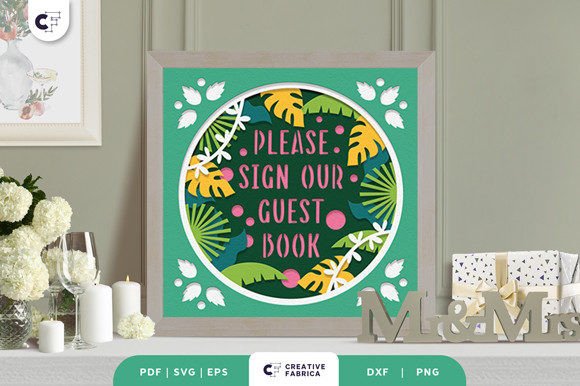
As a designer who spends more time in the hoop than at a desk, I approach every new digital file with a mix of excitement and skepticism. When Please Sign Our Guestbook 3D Papercut landed on my screen, it immediately caught my eye not just for its floral aesthetic, but for the specific "3D papercut" style that is currently dominating wedding and boutique trends. This isn't just another generic script; it carries a distinct visual personality that screams "handcrafted elegance." However, before I recommend this to my own clients or list it as a design asset in my shop, I need to know how it translates from a flat vector to a stitched reality.
The First Impression: Mood and Layout
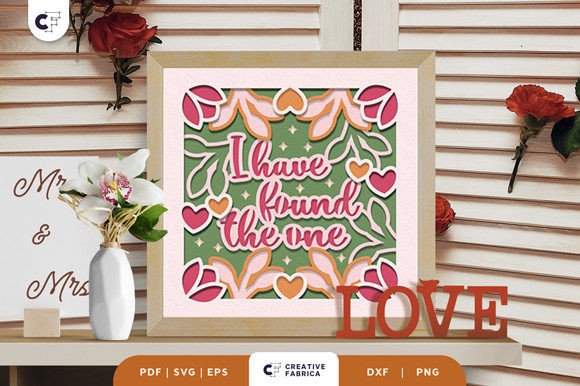
The moment you open the file, the layout tells a story. The phrase is centered, framed by delicate floral elements that mimic the look of layered paper. In the world of machine embroidery design, achieving a true 3D papercut effect is challenging because we are working with thread, not actual paper layers. This design attempts to solve that through clever use of negative space and varying stitch types. It feels airy yet substantial, perfect for a project that needs to feel special without being overwhelming.
For a small business owner looking to create high-end personalized gifts, this design hits the right notes. It creates an immediate sense of occasion. Unlike standard block letters that can look stiff, the flowing lines and floral accents suggest a softness that works beautifully for weddings, baby showers, and anniversary celebrations. The visual weight is balanced well enough that it could anchor a large tote bag or sit comfortably on the chest of a custom sweatshirt.
Real-World Application: From Screen to Stitch
I recently tested this concept on a few different projects to see where Please Sign Our Guestbook 3D Papercut truly shines. The first test was a custom embroidered patch intended for a boutique brand's uniform line. The intricate details of the floral border required careful attention to stitch density. On a thick denim fabric, the design held up remarkably well, creating a raised texture that mimicked the depth of a shadow box. Customers reacting to the finished product were instantly drawn to the tactile quality, which is rare in mass-produced items.
Next, I considered its viability for custom apparel, specifically a bridal party gift set involving tea towels and pillow covers. Here, the design functions as both signage and decoration. When stitched onto white cotton twill using cream and sage green threads, the contrast was subtle yet sophisticated. It transformed a simple kitchen towel into a keepsake. For an Etsy seller, this is exactly the kind of item that drives engagement because it solves a problem (guest book alternatives) while adding aesthetic value. The design serves as a reminder for guests, but visually, it acts as a centerpiece for the table decor.
However, I also tested it on a structured cap. This is where the limitations of a 3D SVG file become apparent. The curved surface of a hat often distorts wide layouts. While the central text remained legible, the outer floral elements stretched slightly, losing some of their crisp definition. If you are selling embroidered patches or hats, you must be cautious about the placement. A smaller hoop size might be necessary to maintain the integrity of the fine lines, or you may need to adjust the digitization to account for the curvature.
Navigating Technical Challenges
No design is perfect out of the box, and understanding where Please Sign Our Guestbook 3D Papercut requires care is crucial for any professional decorator. One of the primary concerns with this style is the amount of detail in the corners. When stitching on thin or stretchy fabrics like jersey or lightweight linen, these detailed areas can pull the fabric, causing puckering. To mitigate this, using a high-quality cutaway stabilizer is non-negotiable. If you skip this step, the final finished product will look warped, which can damage your reputation as a maker.
Another critical factor is thread color selection. Because the design relies on shadows and depth to achieve its 3D look, low-contrast thread combinations can make the details disappear. I strongly advise against using black thread on dark navy fabric for this specific file. Instead, opt for tonal variations or high-contrast pairings like gold on deep burgundy. Testing the design in a black-and-white mockup before committing to expensive metallic threads is a smart workflow habit. It helps you visualize the density and ensure that the satin stitch areas won't clump together.
Dense fill stitches are common in the floral sections of this design. If your machine struggles with high-density runs, you might experience thread breaks. Always check the stitch count and run a test on scrap fabric first. This is especially important if you plan to use this for commercial projects where speed and reliability are paramount. For hobbyists, this testing phase is even more vital to prevent frustration and wasted materials.
Strategic Value for Makers and Sellers
From a business perspective, designs like this offer immense versatility. They bridge the gap between functional signage and decorative art. For a craft fair vendor, displaying a finished sample of Please Sign Our Guestbook 3D Papercut on a wooden sign or a framed piece can significantly boost sales. It allows customers to visualize the end result immediately, increasing trust and perceived value. The design fits seamlessly into categories ranging from holiday embroidery to wedding gifts.
If you are a digital product seller, this file has potential as part of a larger collection. Bundling it with matching floral motifs or complementary scripts can increase the average order value on your store. However, always confirm your licensing terms before reselling the digital file itself. Some licenses restrict commercial use on physical goods, while others allow it. Clarity here protects your craft business from legal issues down the line.
Ultimately, the success of this project depends on execution. The design provides a strong foundation, but the magic happens in the finishing touches. Proper trimming, careful pressing, and selecting the right backing fabric elevate the work from a simple hobby project to a professional-grade item. Whether you are creating a unique tote bag design for a local event or producing a line of small shop products for online sale, Please Sign Our Guestbook 3D Papercut offers a reliable way to add a touch of modern romance to your inventory.
In conclusion, this design is a solid addition to any library of digital embroidery files. It excels in static applications like wall hangings and home decor, while requiring more technical finesse for wearable items. By paying attention to stabilizer choice, thread contrast, and fabric stability, designers can unlock its full potential. For those willing to put in the prep work, the reward is a stunning, market-ready piece that speaks directly to the heart of handmade commerce.