Bride and Groom Shoes 3D Shadow Box Review
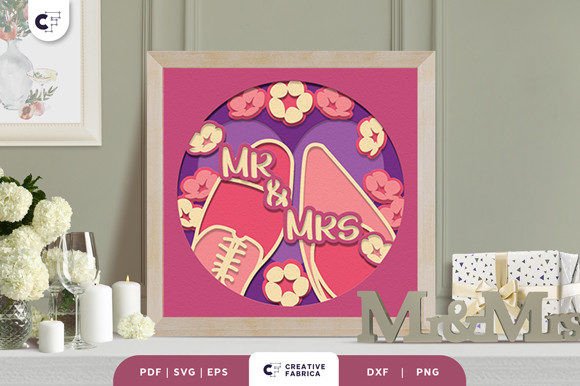
When I first opened the file for the Bride and Groom Shoes 3D Shadow Box, my initial reaction was one of genuine appreciation for its clean composition. As a designer who spends hours evaluating digital assets for client work, I look for more than just a pretty picture; I need to know if it translates well from screen to fabric. This design immediately struck me as elegant yet subtle, perfectly capturing the essence of a newlywed's special day without being overly cluttered or kitschy. The concept of a heel representing the bride and a dress shoe representing the groom is timeless, but the execution here feels modern enough to fit seamlessly into today's boutique market.
First Impressions and Design Personality
The visual personality of this piece is sophisticated. Unlike many wedding designs that rely heavily on script fonts and heavy floral clusters, the Bride and Groom Shoes 3D Shadow Box focuses on the iconic imagery of the shoes themselves. It creates a mood of quiet celebration. For an embroidery designer, the layout suggests a strong potential for various applications, particularly where space is limited but impact is needed. The "shadow box" aspect implies depth, which in a digital format often hints at clever layering techniques that could translate beautifully into actual stitching.
I found myself imagining how this would sit on different surfaces. Is it too busy? No. Does it feel sparse? Not at all. It strikes a balance that appeals to both traditionalists and modern couples. The floral elements mentioned in the description add a touch of organic softness, ensuring the design doesn't feel too rigid or corporate. It feels like a design meant to be cherished, not just used as a temporary decoration.
Real-World Application: A Custom Tote Bag Scenario
To truly understand the value of this embroidery file, let's walk through a real-life scenario. Imagine you are preparing inventory for a local craft fair or updating your Etsy shop with personalized gifts for the upcoming wedding season. You decide to create custom embroidered tote bags for bridal party favors. You have a canvas bag ready, and you are looking for a centerpiece that isn't too large but still commands attention.
This is where the Bride and Groom Shoes 3D Shadow Box shines. Because it is a 3D SVG style design, it offers versatility in how it can be digitized. If you were to stitch this onto a tote bag, the contrast between the structured lines of the shoes and the softer floral accents would pop against the natural texture of the canvas. Customers browsing a booth full of generic "Mr. & Mrs." signs would likely stop at a tote featuring this specific, high-quality imagery. It elevates the perceived value of the handmade product instantly.
I also considered using this design on a sweatshirt for a couple's getaway trip. The placement on the back of a crewneck would allow the shadow box effect to breathe, making it a statement piece rather than a small logo. For a baby item, like a onesie for a "Bridesmaid Baby," the design is gentle and thematic without being overwhelming. The key here is that the design adapts to the medium. Whether it ends up on a kitchen towel, a pillow cover, or a cap, the core imagery remains recognizable and professional.
Technical Performance and Stitch Considerations
However, every good designer knows that a beautiful image does not always equal a successful stitch-out. When evaluating the Bride and Groom Shoes 3D Shadow Box for commercial use, we must consider the technicalities. The design relies on a mix of satin stitch for the outlines and edges of the shoes, which provides a crisp, polished look essential for footwear details. The fill areas, likely utilizing a fill stitch or perhaps a dense running stitch pattern depending on the specific digitization, will determine how the fabric drapes around the design.
If you plan to use this on custom apparel like t-shirts or stretchy knit fabrics, you must pay close attention to the stitch density. High-density designs can cause puckering on thin materials. Since this is a table decorations category item often adapted for wearable goods, testing the stabilizer choice is non-negotiable. A tear-away might work for a stiff pillowcase, but a cut-away stabilizer is usually required for the durability needed on a tote bag design or a frequently washed apron.
I also had to think about the color palette. The elegance of the design depends heavily on thread selection. Using standard white thread on a dark background might lose the subtlety intended by the creator. Conversely, using metallic threads for the shoe outlines could add a luxurious feel suitable for a high-end personalized gift. The thread colors must be chosen to enhance the floral accents, ensuring they don't get lost in the background fabric texture.
Where to Exercise Caution
While this design is versatile, there are specific scenarios where it requires careful handling. Small hoop sizes can be tricky with designs that feature detailed corners or intricate lace-like floral patterns. If the hoop size is too small, you risk cutting off parts of the shadow box or distorting the shape of the shoes during the trimming process.
Furthermore, textured fabrics like thick wool or bouclé can hide the fine details of the running stitch or satin columns. On these materials, the design might appear muddy or undefined. Similarly, while the design looks great flat, applying it to curved surfaces like caps or hats requires precise digitization adjustments to ensure the perspective holds up when viewed from the front. If the design includes tiny lettering or very fine decorative accents, those elements might disappear entirely on dark fabric or when stitched with lower thread counts.
For products that require frequent washing, such as kitchen towels or baby clothes, the longevity of the stitches is paramount. Dense stitch areas can sometimes trap lint or wear down faster if not anchored correctly. Always inspect the finished product after a wash cycle to ensure the design hasn't pulled or faded unexpectedly.
Designer Notes for Commercial Success
Before adding this asset to your library of design assets or selling it as part of a commercial embroidery package, there are practical steps you must take. First and foremost, test the design on scrap fabric that matches your final project material. This is the only way to verify the stabilizer requirements and see how the stitch density interacts with your specific machine tension.
Review the design in black and white mockups to check for contrast issues. Sometimes, colors that look distinct on a screen blend together when converted to thread colors. Compare light and dark fabric backgrounds to ensure the design maintains its integrity across different product lines. If you are planning to sell finished items, confirm the licensing terms explicitly. Many digital embroidery files have restrictions on how many units you can produce or whether you can resell the file itself.
Finally, consider the customer experience. A well-executed Bride and Groom Shoes 3D Shadow Box tells a story before the customer even reads the tag. It signals professionalism and attention to detail. In the crowded world of Etsy sellers and small shop products, this kind of quality is what builds trust and drives repeat business. By taking the time to evaluate the technical aspects and choose the right fabric combinations, you ensure that the final handmade product lives up to the promise of the original design.
In conclusion, this design is a strong candidate for any wedding-themed collection. It balances aesthetic appeal with practical application, provided the maker respects the technical constraints of machine embroidery. Whether you are creating a single holiday gift or a bulk order for a boutique branding campaign, this piece offers a solid foundation for success.