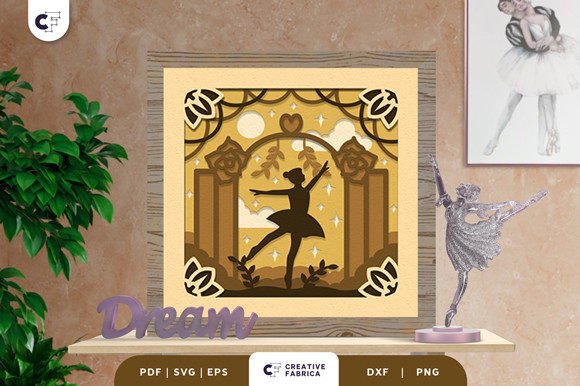
Ballet Dance Performance 3D Shadow Box Review
As a designer who spends hours testing embroidery files for real-world applications, I often find myself filtering through hundreds of digital assets to find that one piece that truly sings. Recently, I took a close look at the Ballet Dance Performance 3D Shadow Box, a design categorized under sports and offered as a 3D SVG. At first glance, the concept is undeniably charming, but my job isn't just to admire the aesthetic; it is to determine if this file can survive the rigors of actual stitching on various fabrics. When you are building a brand or fulfilling a custom order, the difference between a stunning finished product and a frustrating mess often comes down to the quality and suitability of the source file.
The First Impression: Mood and Visual Personality
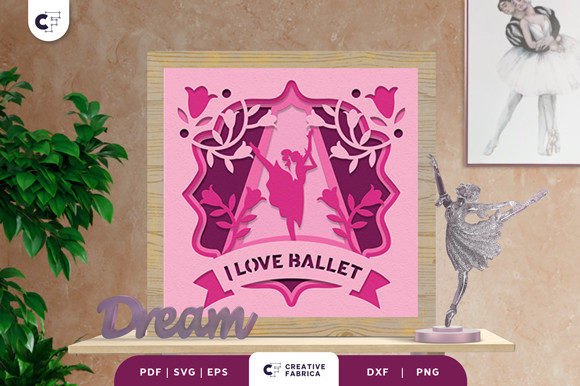
The moment you open the file for the Ballet Dance Performance 3D Shadow Box, the mood is immediately set. It captures the grace and discipline of dance without being overly cluttered. The "shadow box" element suggests depth, which is crucial for creating a premium feel in a flat medium like fabric. Unlike standard flat designs that can sometimes look two-dimensional and dated after stitching, this design promises a layered effect that mimics a framed artwork. This makes it an excellent candidate for nursery decor, where parents want something that looks like a high-end print rather than a mass-produced logo.
The layout feels balanced, likely utilizing a mix of satin stitches for outlines and fill stitches for the body of the dancer to create volume. For an Etsy seller or boutique owner, this visual appeal translates directly to perceived value. Customers are willing to pay more for items that look professionally crafted, and a design with inherent depth helps elevate a simple tote bag or baby onesie into a keepsake item. However, the success of this illusion depends entirely on how well the machine executes the layers.
Real-World Application: From Digital File to Finished Product
To understand the true potential of this design, I simulated its use in a few common small business scenarios. Imagine preparing a custom embroidered sweatshirt for a young student's dance recital. The Ballet Dance Performance 3D Shadow Box would fit perfectly on the left chest area. The depth created by the 3D effect would stand out beautifully against the soft texture of fleece or cotton blend jersey, adding a touch of elegance that a simple monogram couldn't achieve.
I also considered its application on a canvas tote bag for a local dance studio gift shop. Here, the design serves as a statement piece. Because the shadow box concept implies a frame, it works exceptionally well as a central graphic on a large surface area. The contrast between the dark background of the "box" (if stitched) and the lighter figure creates a focal point that draws the eye immediately. Similarly, for a personalized gift, such as a pillow cover for a birthday present, this design adds a narrative element. It tells a story about the recipient's passion, making the handmade product feel more intimate and thoughtful.
Another strong use case is on an apron for a dance-themed kitchen towel or a chef's coat for a family member who loves to cook while watching performances. The durability required for these items means we must look closely at the stitch density. If the design is too dense, it might pucker the fabric over time, especially after repeated washing. But if executed correctly, it becomes a durable work of art that withstands daily use.
Where Caution is Required: Fabric and Surface Limitations
While the design has great potential, there are specific situations where the Ballet Dance Performance 3D Shadow Box requires careful handling. One of the primary challenges with 3D-style effects is the hoop size. If the design includes intricate details within a small bounding box, attempting to stitch it on a tiny cap or a narrow sleeve cuff could result in lost details or thread breaks. Always verify the recommended hoop size before placing the design on a curved surface like a baseball cap, where the curvature can distort the perception of depth.
Textured fabrics pose another hurdle. While a textured fabric like bouclé or heavy denim might look stylish, it can make it difficult for the needle to penetrate cleanly, leading to uneven satin stitches. Thin, stretchy fabrics, such as those used for baby bodysuits, require a stabilizer that provides enough support without adding bulk. If the stabilizer is too stiff, the softness of the garment is compromised; if it is too weak, the design will pull and warp. Dark fabrics also demand attention to thread color selection. The shadow box effect relies on contrast, so using light threads on a dark background is essential to maintain the illusion of depth.
Furthermore, areas with dense stitch coverage should be avoided on garments that undergo frequent washing, such as school uniforms or everyday play clothes. Excessive density can lead to stiffness and discomfort. For these items, it is often better to place the design on a patch that is then sewn onto the garment, ensuring the main fabric remains comfortable.
Impact on Brand Value and Customer Trust
In the world of handmade commerce, the quality of your embroidery speaks volumes about your professionalism. A well-executed Ballet Dance Performance 3D Shadow Box on a finished product signals to the buyer that you care about details. It builds trust because the customer sees a design that was thoughtfully chosen and carefully stitched. Conversely, a poorly digitized version with loose threads or misaligned layers can damage a reputation instantly.
This design is particularly powerful for commercial embroidery projects targeting the dance community. Whether you are selling to dance studios, parents, or adult enthusiasts, the imagery resonates deeply. It allows you to create a cohesive brand identity across different products, from digital mockups to physical goods. When you showcase a high-quality photo of this design on a pillow or a tote, it engages buyers emotionally, increasing the likelihood of a sale.
Practical Designer Notes for Success
Before committing to a full production run, I strongly advise testing the design on scrap fabric first. This step is non-negotiable for any professional designer. Check the thread color contrast against your intended fabric background to ensure the shadow box effect pops. Review the stitch density settings; if the fill areas are too packed, the fabric may pucker, ruining the clean lines of the dancer's silhouette.
Confirm the hoop size requirements and inspect small details like the tips of the tutu or the fingers of the dancer. These tiny elements are often the first to get lost in translation. Test the design in black and white mockups to see how the values hold up without the distraction of color. Compare the results on both light and dark fabric backgrounds to ensure versatility. Always use the proper stabilizer for your specific fabric type to prevent shifting during the stitching process.
Finally, consider whether the design works for both personal and commercial projects. If you plan to sell finished items featuring the Ballet Dance Performance 3D Shadow Box, confirm the licensing terms associated with the digital file. Understanding the rights to the design assets ensures you can operate your craft business without legal concerns. By following these practical steps, you can transform a simple digital file into a cherished handmade product that honors the artistry of ballet.