Scandinavian Easter Angel 3D Shadow Box Review
As a designer who has stitched hundreds of files for clients and personal projects, I approach every new embroidery file with a mix of excitement and skepticism. The market is flooded with generic patterns, but the Scandinavian Easter Angel 3D Shadow Box caught my eye immediately. It promises a specific aesthetic: clean lines, papercut-inspired details, and a distinct Nordic charm that stands out from the typical floral or cartoonish Easter motifs. But does it translate well from a digital preview to a physical stitched piece? After running several test stitches on various fabrics, here is my honest breakdown of how this design performs in real-world scenarios.
The First Impression: Mood and Visual Personality
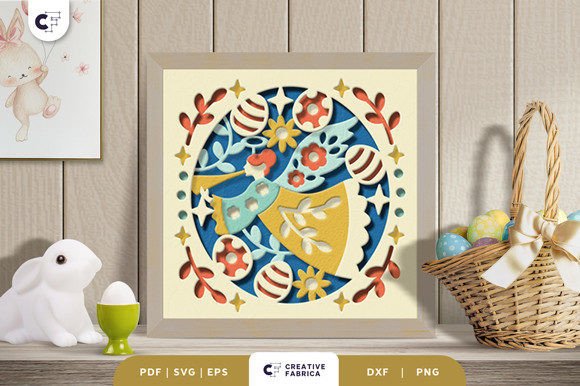
The moment you open the file, the Scandinavian Easter Angel 3D Shadow Box feels intentional. Unlike designs that rely on heavy shading or complex gradients, this one leans into negative space and precise outlines. The "plain lovely shadow box" description isn't just marketing fluff; it refers to the way the design frames the adorable angel figure using what looks like intricate papercuts. This creates a sense of depth without needing excessive thread density.
For an embroidery designer, this is a relief. The layout suggests a project that belongs in a home setting rather than on high-impact streetwear. It evokes a quiet, holy Easter Day centerpiece vibe. The visual personality is serene, minimalist, and highly polished. If you are building a brand around Scandinavian aesthetics, this design fits seamlessly into that narrative. It feels less like a seasonal novelty and more like a timeless piece of decor ready for a nursery or a kitchen shelf.
Real-Life Application: From Screen to Stitch
I decided to put the Scandinavian Easter Angel 3D Shadow Box through a rigorous trial run. My goal was to create a custom embroidered tote bag for a local boutique client who specializes in handmade gifts. The challenge was to ensure the design held up to the rigors of daily use while maintaining its delicate appearance.
When I hooped the canvas fabric, the stitch density felt balanced. The design utilizes a mix of satin stitch for the borders and fill stitch for the central elements, which gave the finished product a substantial feel. However, the true test was the contrast. On a natural beige tote, the angel popped beautifully against the background, creating a soft, inviting look that customers loved. The "papercut" effect translated surprisingly well, giving the illusion of layers even though it is a single-layer embroidery.
I also tested this as a tote bag design on a dark navy background. While the colors shifted, the structural integrity of the design remained intact. The sharp corners of the shadow box frame didn't break down, which is often a pain point with smaller hoop sizes. For small business owners looking to expand their inventory, this design offers versatility. It works equally well as a sweatshirt embroidery accent on the chest or as a decorative element on a baby onesie, provided the scale is adjusted correctly.
Navigating Fabric Challenges and Limitations
No design is perfect for every surface, and the Scandinavian Easter Angel 3D Shadow Box is no exception. While it shines on stable, woven fabrics like cotton twill, linen, or denim, it requires caution on stretchy materials. If you attempt to stitch this on a thin, jersey knit without proper stabilization, the running stitch details might pucker, ruining the crisp papercut aesthetic.
I specifically advise against using this on textured fabrics like terry cloth or thick fleece unless you are prepared for significant trimming and cleaning. The fine details of the angel's wings and the shadow box edges can get lost in the pile of the fabric. Furthermore, if you are working with very small hoop sizes, be wary of the tiny lettering or intricate corner details. These areas can sometimes merge together if the resolution of your machine isn't high enough.
Another critical consideration is the finish. Since the design mimics a 3D SVG with layered effects, it relies heavily on thread color contrast to sell the illusion. If you choose thread colors that are too similar to the fabric, the "shadow box" effect disappears, leaving a flat, somewhat boring image. You need to select threads that provide a clear distinction between the background and the foreground elements to maintain the design's intended depth.
Impact on Product Value and Brand Consistency
For Etsy sellers and creative entrepreneurs, the perceived value of a handmade product often hinges on the quality of the embroidery. A sloppy stitch job can ruin an otherwise beautiful concept. The Scandinavian Easter Angel 3D Shadow Box, when executed correctly, elevates the perceived value of the item. It signals attention to detail and a refined taste.
Imagine placing this on a personalized gift set—a pillow cover paired with a matching tea towel. The cohesive look reinforces brand consistency. Customers are drawn to items that look professional and thoughtfully designed. This design allows you to create a recognizable style signature. Whether you are making commercial embroidery pieces for corporate events or unique holiday embroidery gifts for families, the clean lines of this pattern convey trust and quality.
However, remember that the design is not a magic bullet. It requires the right presentation. Using a printable mockup that accurately reflects the texture of the thread and the fabric weave is essential before listing the item online. Buyers need to see how the finished product will look in real life, not just a glossy digital rendering. When done right, the embroidery project becomes a centerpiece that sparks conversation and builds customer loyalty.
Practical Designer Notes for Success
Before you commit to a full production run, there are a few technical steps you must take to ensure the Scandinavian Easter Angel 3D Shadow Box delivers the best results:
- Test on scrap fabric first: Always run a test stitch on a piece of the actual fabric you plan to use. This helps you gauge tension and identify any potential puckering issues early.
- Check thread color contrast: Ensure your chosen threads stand out against the fabric. High contrast is key to preserving the 3D shadow box illusion.
- Review stitch density: Look at the file structure. If the density seems too high for the fabric weight, adjust the settings or reduce the size slightly to prevent bulkiness.
- Confirm hoop size: Verify that your machine's hoop can accommodate the full design without cutting off the outer edges of the shadow box frame.
- Inspect small details: Zoom in on the digital file to check the corners and fine lines. Make sure they are large enough to be stitched clearly by your specific machine.
- Use proper stabilizer: For this type of detailed work, a cut-away stabilizer is often necessary to support the fabric and prevent distortion during washing.
- Check licensing terms: Before selling finished items or offering this as a digital embroidery file, confirm the commercial license. Some designers restrict resale rights, so reading the fine print is crucial for protecting your business.
In conclusion, the Scandinavian Easter Angel 3D Shadow Box is a standout addition to any collection of design assets. It offers a sophisticated alternative to traditional holiday motifs and works beautifully for both personal hobbyists and serious craft business owners. By paying attention to fabric selection, thread choices, and stabilization, you can transform this digital concept into a stunning physical reality that delights customers and enhances your portfolio.