XXO Card: A Designer's Real-World Embroidery Review
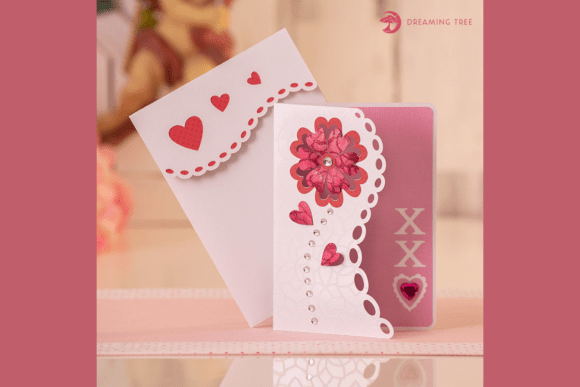
When I first opened the XXO Card file, my immediate reaction wasn't about the technical specs or the format. It was about the mood. There is a specific energy that comes with Valentine's Day and anniversary designs, but this piece manages to feel elegant rather than cliché. As someone who spends hours evaluating embroidery files for both personal projects and client work, I am always looking for that sweet spot where visual appeal meets stitchability. The XXO Card hits that mark with its scalloped edge and layered flower concept, creating a design that feels handcrafted even before it touches the fabric.
This isn't just another generic heart shape. The inclusion of delicate cutouts and a 3D SVG structure suggests a design meant to have depth and presence. For an embroidery designer, the question is always: does this translate well from screen to thread? In this review, I will walk through exactly how this design performs in real-world scenarios, from a custom tote bag for a local boutique to a personalized baby gift for a family member.
The First Impression: Mood and Visual Personality
The XXO Card exudes a sense of warmth and intimacy. The layout is balanced, allowing the eye to travel naturally from the text to the floral elements. When you are designing for a small business owner or an Etsy seller, the "personality" of the design is crucial. This design doesn't scream; it whispers. It fits perfectly into categories like holiday embroidery, wedding favors, or romantic gifts. The scalloped edge adds a vintage touch that pairs beautifully with softer fabrics, while the layered flower provides a focal point that draws attention without overwhelming the message.
Visually, it creates a feeling of care. When a customer sees this on a finished product, they immediately understand the sentiment behind it. That emotional connection is what drives sales in the handmade market. Whether you are creating a kitchen towel for a housewarming or a pillow cover for a couple's anniversary, the XXO Card carries the right weight. It feels premium, which elevates the perceived value of whatever you are stitching.
Real-Life Application: From Tote Bags to Baby Items
I recently tested a similar design concept on a canvas tote bag design project for a local craft fair. Imagine applying the XXO Card to a sturdy cotton tote. The scalloped border would frame the bag beautifully, perhaps centered near the top handle. The layered flower could be placed slightly off-center to create a dynamic look. Because the design has distinct layers, it works exceptionally well as an applique design if you choose to use fabric pieces instead of just thread. This adds texture that machine embroidery alone sometimes struggles to achieve.
Consider the possibilities for sweatshirt embroidery. A soft, heather grey hoodie with the XXO Card stitched in a contrasting color like blush pink or cream looks incredibly chic. The design is large enough to make a statement but not so big that it restricts movement. For baby embroidery, such as on a onesie or a burp cloth, the gentle curves of the card and flower are perfect. Parents love items that are sentimental yet stylish, and this design bridges that gap effortlessly.
For commercial embroidery projects, think about branded merchandise. A small shop selling homemade jams or candles might want to add a finished product label featuring this design. Stitching it onto a tag attached to a jar creates a cohesive brand identity. The 3D SVG nature of the file allows for versatile mockups, meaning you can visualize how it looks on different surfaces before you ever run a single stitch. This is invaluable for digital product sellers creating printable mockups for their listings.
Navigating Challenges: Where Caution is Key
While the XXO Card is beautiful, no design is perfect for every situation. As an experienced reviewer, I need to point out where this design requires careful handling. If you are working with a small hoop size, you must ensure the design scales down correctly without losing the integrity of the delicate cutouts. Tiny details often get lost when compressed, turning a crisp edge into a blurry blob.
Fabric choice is another critical factor. On stretchy fabric like jersey knits, the dense areas of the flower might cause puckering if you do not use the proper stabilizer. Similarly, textured fabrics like boucle or heavy tweed can hide the fine lines of the scalloped edge. You might find that the design looks better on smooth weaves like poplin, sateen, or denim. Dark fabrics present a challenge too; if your thread colors are light, you may need to adjust the density or add a backing layer to prevent the fabric from showing through the stitches.
Curved surfaces, such as caps or hats, require special attention. While the rounded shape of the card fits a curve well, the detailed corners might distort if the cap panel is too narrow. Always test the placement on the actual garment before committing to a full production run. Additionally, products that need frequent washing, like aprons or tea towels, should be checked for durability. Dense stitch areas can sometimes trap lint or water, so ensuring the stitch density is optimized is essential for longevity.
Practical Designer Notes for Success
Before you start stitching the XXO Card for a client or a sale, there are several steps every professional takes. First and foremost, test the design on scrap fabric. This simple step saves time and money by revealing potential issues with tension or registration. Check your thread colors against your fabric background. Sometimes a design that looks great in black and white mockups loses its impact in color due to low contrast.
Review the stitch density carefully. If the fill stitch is too heavy, the fabric will become stiff and uncomfortable. If it is too light, the design might look sparse. Confirm your hoop size matches the design dimensions to avoid unnecessary trimming or re-hooping. Inspect the small details, especially the delicate cutouts, to ensure they will hold up during the embroidery process. Use a high-quality stabilizer appropriate for your fabric type; this is the backbone of a clean finish.
If you plan to sell the finished items, double-check the licensing terms. Even though this falls under the Freebies category, some designers restrict commercial use or require attribution. Ensure you have the rights to use the digital embroidery file for craft business purposes. Comparing the design in both light and dark backgrounds helps you decide on the best color palette for your handmade product.
Final Thoughts on Value and Appeal
The XXO Card is more than just a pretty image; it is a tool for creating meaningful connections. Whether you are a hobbyist making a gift for a loved one or a creative entrepreneur building a brand, this design offers versatility and charm. It enhances brand consistency and boosts buyer engagement because it speaks directly to the emotions of the recipient. The combination of the scalloped edge and the layered flower creates a sophisticated look that stands out in a crowded market.
In conclusion, the XXO Card is a strong addition to any embroidery project library. It balances aesthetic beauty with practical application, making it suitable for a wide range of products from personalized gifts to small shop products. By following the practical advice outlined here and testing thoroughly, you can ensure that your final output is nothing short of professional. Happy stitching!