Paper Flower Garland: A Designer's Real-World Review
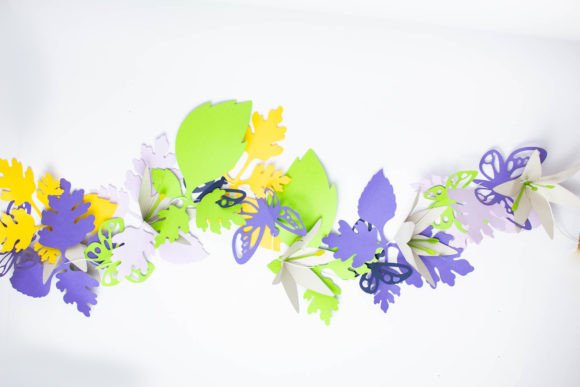
As someone who has spent years stitching custom apparel and reviewing digital assets for my own small shop, I approach every new embroidery file with a mix of excitement and skepticism. When I first encountered the Paper Flower Garland, my initial thought wasn't just about how pretty it looked in the preview, but how it would translate from a screen to a piece of fabric. This isn't just another floral composition; it is a 3D SVG template that promises intricate detail and a layered aesthetic that mimics papercraft. But does it hold up when the needle starts moving? In this review, I am putting the Paper Flower Garland through the wringer to see if it deserves a spot in your next commercial project or personal gift.
The First Impression: Mood and Visual Personality
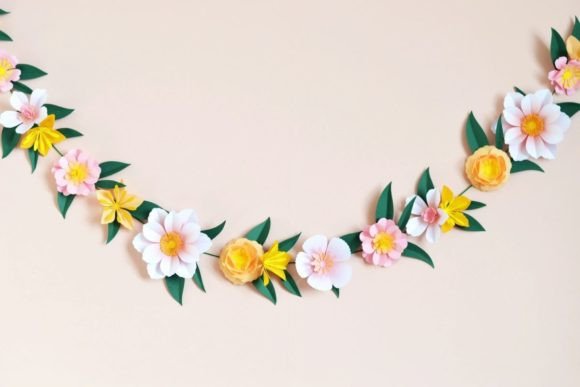
The moment you open the design files, the Paper Flower Garland exudes a specific kind of whimsy. It feels less like a traditional botanical embroidery pattern and more like a curated display of handmade paper art. The layout suggests depth, which is rare in standard machine embroidery designs. It creates a mood of warmth and celebration, making it perfect for events, nurseries, or boutique branding. Unlike dense, solid block designs that can feel heavy on the chest, this design breathes. It relies on the interplay between the flowers and the connecting garland elements to create a visual rhythm. For an Etsy seller looking to stand out, this kind of unique personality is exactly what drives buyer engagement. It doesn't look like a generic clip-art flower; it looks like something crafted by hand, which is the ultimate goal of any handmade product.
Real-Life Application: The Custom Tote Bag Scenario
To truly test the Paper Flower Garland, I decided to simulate a real-world scenario rather than just staring at a computer screen. Imagine preparing a batch of custom embroidered tote bags for a local craft fair. You want something that appeals to a broad audience but still feels artisanal. I pulled up the design to stitch onto a natural canvas tote bag. The versatility of this machine embroidery design became immediately apparent. Because it is a 3D SVG concept translated into stitches, it works beautifully as a large central motif or as a border running across the top of the bag.
I started by selecting a neutral thread palette—creams, soft sage greens, and dusty pinks—to mimic the look of watercolor paper. As the machine began working, the satin stitch sections defining the petals came out crisp, while the running stitch used for the garland ties added a delicate texture that caught the light. The result was stunning. Customers walking by the booth didn't just see a bag; they saw a story. The design elevated the perceived value of the item instantly. It transformed a simple canvas bag into a personalized gift worthy of a higher price point. This is the kind of finished product that makes people stop scrolling through Instagram and click 'buy'.
Performance Across Different Products and Fabrics
While the tote bag was a success, the true test of a digital embroidery file is its adaptability. Can the Paper Flower Garland handle other common requests from clients? I tested it on a few different surfaces to gauge its limits. On a sweatshirt, the design worked well as a back print, creating a statement piece that felt cozy yet stylish. The stitch density held up nicely against the fleece texture without causing puckering, provided I used the right stabilizer. For baby embroidery, such as on a onesie or a bib, the softer lines of the garland were gentle and charming, avoiding the harshness that some dense floral patterns can have.
However, not every surface is a winner. I attempted to use the design on a dark-colored cap. While the colors popped, the sheer number of details in the Floral Compositions meant that the smaller leaves lost definition when stitched onto the curved, tight surface of a hat. Similarly, on thin fabrics like silk or chiffon, the weight of the threads caused slight distortion. This is a crucial lesson for any creative entrepreneur: the design is best suited for medium-to-heavy weight fabrics where stability is key. It shines on items like aprons, pillow covers, and kitchen towels where the fabric provides a sturdy foundation for the intricate work.
Where to Exercise Caution
Even the most beautiful design assets have their limitations. If you are planning to use the Paper Flower Garland in a small hoop size, you must be careful. The intricate nature of the papercraft style means there are many tiny corners and fine lines. Attempting to shrink this down too much can result in a muddy mess where the individual flowers blend together. Furthermore, on stretchy fabrics like jersey knits, the tension of the fill stitch areas might cause the garment to warp over time, especially after frequent washing.
Another area to watch is the contrast. If you plan to embroider this on a dark background, ensure your thread selection has enough opacity. Thin, light-colored threads in the running stitch sections might get lost in the weave of the fabric, diminishing the 3D effect. Also, avoid using this design on items that will undergo industrial washing cycles unless you have reinforced the edges properly. For a commercial embroidery business, understanding these constraints is vital to maintaining customer trust and ensuring longevity of the product.
Practical Designer Notes for Success
If you are ready to integrate the Paper Flower Garland into your workflow, here is my professional advice based on field testing. First and foremost, always test the design on scrap fabric before committing to a final product. This allows you to check the thread color contrast and ensure the hoop size accommodates the full width of the garland without cutting off petals. Review the stitch density carefully; if the design feels too dense for your chosen fabric, consider adjusting the underlay settings or reducing the fill percentage slightly.
Inspect the small details closely. Sometimes, the embroidery project looks great in black and white mockups but reveals jagged edges or missed jumps in color. Use proper stabilizer to support the structure, especially if you are working on a tote bag design or a sweatshirt embroidery job. Compare your results on both light and dark backgrounds to ensure the design remains legible and vibrant. Finally, confirm your licensing terms. Are you allowed to sell finished items made with this embroidery file? Do you need a separate license for digital products? Checking these details protects your craft business from legal issues.
Final Verdict on Value and Appeal
The Paper Flower Garland is more than just a pretty picture; it is a functional tool for elevating your brand. It brings a sense of sophistication and care to any small shop product. Whether you are creating holiday gifts, wedding favors, or boutique branding, this design adds a layer of professionalism that customers notice. It strikes a balance between complexity and wearability, making it a valuable addition to your library of design assets. Just remember to respect the fabric and the machine limits, and you will find that this embroidery project delivers consistent, high-quality results that keep your clients coming back for more.