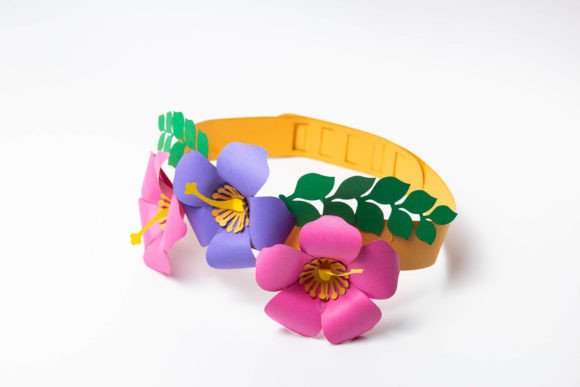
Hibiscus Spring Headband Review for Real Projects
As someone who has spent years evaluating digital assets for commercial embroidery and personal crafting, I rarely get excited about a file until I see how it translates from screen to fabric. Today, I am looking at the Hibiscus Spring Headband, a 3D SVG design that promises a vibrant touch of seasonal flair. The description suggests this is a perfect time to learn or simply acquire a stunning template, but does it hold up under the scrutiny of a real-world embroidery machine? After running through several scenarios in my head regarding stitch density, placement, and end-user appeal, here is my practical assessment.
The First Impression: Mood and Visual Personality
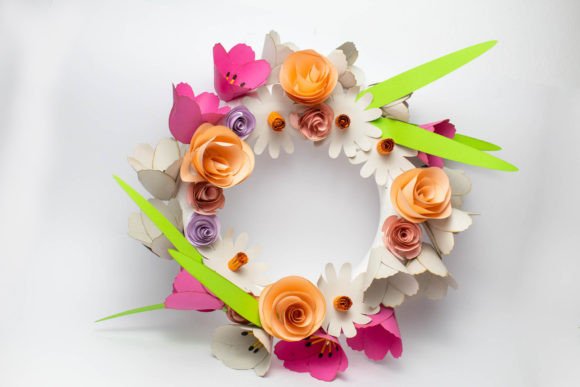
The moment you load the Hibiscus Spring Headband into your digitizing software, the mood is immediately established. It screams warmth and renewal, capturing the essence of spring without relying on clichés. The layout feels organic rather than rigid, which is crucial for a design intended to be worn as an accessory or applied to soft goods. Unlike many generic floral patterns that can look flat or overly busy, this design seems to balance negative space with detail effectively.
Visually, the Hibiscus theme offers a bold focal point. In the context of a handmade product, this level of visual personality helps the item stand out in a crowded marketplace like Etsy or a local craft fair. The shape implies movement, suggesting that the flowers are not just printed images but dynamic elements meant to catch the light. For a designer looking to create a cohesive collection, this piece serves as an excellent anchor for a broader "Spring Collection" featuring matching tote bags or nursery decor.
Real-World Application: From Screen to Stitch
Let's imagine a specific scenario. You are preparing for a boutique launch and need custom embroidered aprons for a weekend workshop. You decide to use the Hibiscus Spring Headband as the central motif on the chest area of the apron. How would it perform?
In this setting, the design shines. The bold lines of the hibiscus flower translate well onto heavy cotton canvas, providing a pop of color that contrasts beautifully against neutral tones. If you were to pivot this same file to a baby onesie, the delicate nature of the floral theme works perfectly, offering a gentle aesthetic that parents love. However, the application changes when you consider a structured item like a baseball cap. The curvature of a cap requires careful attention to the stitch density and how the thread lays over the curve. While the design is versatile, placing a large, detailed floral element on the front panel of a cap requires a smaller hoop size and potentially some manual adjustment to ensure the petals don't pucker.
For small business owners selling finished products, the versatility of this file is a major asset. You could easily adapt it for holiday gifts by changing the thread colors to festive reds and greens, or keep it strictly seasonal for Easter and Mother's Day promotions. The design acts as a strong branding tool; a consistent use of high-quality motifs like this builds trust with buyers who are looking for professional-grade handmade items.
Technical Considerations and Fabric Challenges
While the concept is sound, every experienced embroiderer knows that the devil is in the details. When evaluating the Hibiscus Spring Headband for actual production, there are specific areas where caution is required.
Fabric Texture and Stability: This design relies on clear definition to maintain its beauty. If you attempt to stitch this on a highly textured fabric like bouclé or a very thin, stretchy knit without proper stabilization, the results could be disastrous. The satin stitch edges might wander, blurring the crispness of the flower petals. Always test on scrap fabric first to determine the right combination of stabilizer and hoop tension.
Small Hoop Limitations: If you are working with a compact home machine or focusing on tiny accessories like hair clips, the scale of the Hibiscus Spring Headband might be too large. Attempting to force a large design into a small hoop often leads to excessive trimming and wasted thread. Ensure your hoop size matches the dimensions of the design before committing to a production run.
Dense Stitch Areas: Designs with large fill stitches can sometimes become stiff if the density is too high. On a garment that needs to drape softly, such as a sweatshirt or a pillow cover, you want to avoid creating a hard, board-like patch. Check the digitizing settings to ensure the fill stitch density allows for some flexibility in the fabric.
Impact on Product Value and Brand Perception
The choice of design directly influences the perceived value of your finished product. A well-executed embroidery project using a unique motif like the Hibiscus creates a sense of exclusivity. Customers are willing to pay a premium for items that show thoughtful design choices and high stitching quality. Conversely, a poorly executed file can make a handmade product look amateurish, damaging the reputation of your craft business.
When you present a mockup or a physical sample, the clarity of the embroidery file matters immensely. Does the design look sharp in black and white? Can you distinguish the layers of the flower even when the lighting is poor? These questions are vital for ensuring your finished product looks professional in photos and in person. The Hibiscus Spring Headband appears to have enough detail to satisfy these criteria, provided the stitching is done correctly.
Practical Designer Notes for Implementation
Before you hit the start button on your machine, there are a few critical steps to take to ensure success with this design.
- Test on Scrap Fabric: Never start with your final customer item. Run a test stitch on a scrap piece of the same fabric type to check for puckering or misalignment.
- Check Thread Color Contrast: The vibrancy of the Hibiscus depends heavily on thread selection. Ensure your chosen thread colors offer sufficient contrast against the background fabric, especially if you plan to sell dark-colored apparel.
- Review Stitch Density: Inspect the design in your software. Are there any areas where the stitches are too dense, which could cause needle breakage or fabric distortion?
- Confirm Licensing: If you intend to sell finished items made with this design, verify the license terms. Some digital files allow personal use only, while others permit commercial sales of the finished product. Do not assume the license covers both.
- Compare Light and Dark Backgrounds: Test the design on both light and dark fabrics to see if the thread coverage is adequate or if an underlay is needed.
Ultimately, the Hibiscus Spring Headband offers a solid foundation for a variety of creative endeavors. Whether you are a hobbyist making a gift for a loved one or a seasoned Etsy seller building a catalog, this design provides the visual punch needed to engage customers. By paying attention to the technical nuances of machine embroidery design and respecting the limitations of different fabrics, you can transform this digital asset into a tangible, high-value product that stands out in the market.