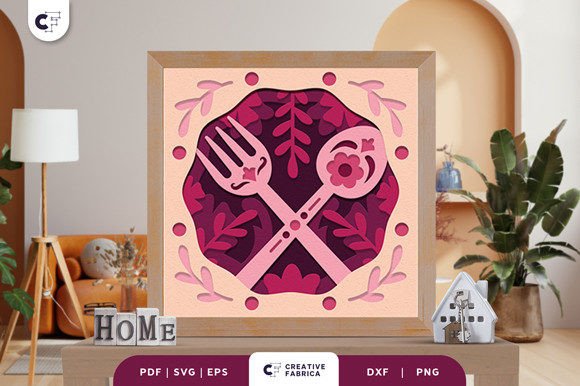
Folk Art Fork and Spoon 3D Shadow Box Review
I have stitched thousands of designs, from intricate monograms to complex pictorial scenes. When a new file lands on my desk, I do not just look at the preview image; I immediately start visualizing the stitch paths, the thread tension, and how the final product will feel in a customer's hands. Today, I am putting Folk Art Fork and Spoon 3D Shadow Box through that same rigorous evaluation. This is not a theoretical exercise. It is a practical assessment of whether this specific 3D SVG design belongs in your next batch of custom apparel or if it should remain in your digital library as a backup option.
The First Impression: Mood and Visual Personality
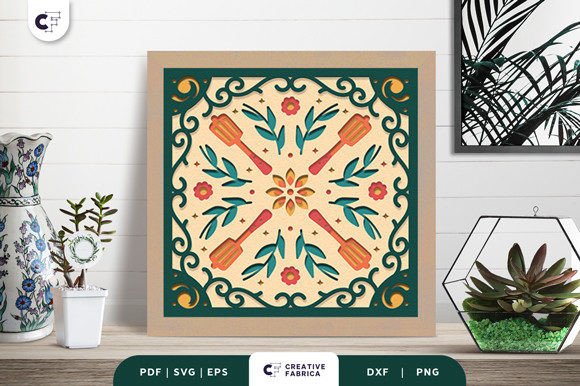
At first glance, Folk Art Fork and Spoon 3D Shadow Box exudes a warm, rustic charm that feels distinctly handcrafted. The folk art aesthetic is timeless, but the inclusion of a "shadow box" element adds a layer of depth that separates it from standard flat icons. In the world of embroidery, where we rely entirely on thread to create dimension, the promise of a shadow effect is intriguing. It suggests a play on light and dark that could elevate a simple kitchen towel into a boutique-worthy piece.
The layout features a classic pair of cutlery, but the decorative elements surrounding them give the design a curated, gallery-like feel. It does not scream for attention like a neon graphic; instead, it invites closer inspection. For an embroiderer, this translates to a design that works well on products where the viewer stands back slightly to appreciate the composition, such as a pillow cover or a framed textile art piece. The mood is cozy, domestic, and inviting, making it a perfect candidate for home decor projects.
Real-World Application: From Digital File to Finished Product
Let me walk you through a real scenario I recently considered with this design. Imagine you are preparing a holiday gift collection for your Etsy shop. You want to offer personalized aprons for a client who loves to cook. You select Folk Art Fork and Spoon 3D Shadow Box as the centerpiece. How would it translate?
On a heavy cotton canvas apron, the design would likely hold its shape beautifully. The folk art style pairs exceptionally well with natural fabric textures. If you use a high-quality cotton thread, the satin stitches on the handles of the fork and spoon would catch the light, while the fill stitches in the background would provide a solid, textured base. The shadow box concept implies a framing element; in embroidery, this often means using contrasting thread colors to create the illusion of depth without needing actual physical layers.
I also envision this design on a sturdy tote bag. A canvas tote featuring Folk Art Fork and Spoon 3D Shadow Box would appeal to the demographic looking for functional yet stylish accessories. It fits perfectly into the "kitchen" theme without being cliché. However, consider the placement. On a tote, the design needs to be centered and large enough to show off the details. If you try to shrink it down too much, you risk losing the very character that makes this design unique.
Performance on Different Materials and Garments
When evaluating any machine embroidery design, the substrate is just as important as the digitization itself. Folk Art Fork and Spoon 3D Shadow Box has a moderate level of detail, which dictates where it can and cannot go.
Where it shines:
- Pillow Covers: The stable weave of pillow fabric allows the design to sit flat and crisp. The shadow effect will pop against a solid color background, adding a professional touch to nursery decor or living room accents.
- Kitchen Towels and Tea Towels: These are ideal for this type of embroidery project. The absorbent texture of linen or cotton towels hides minor puckering, and the theme aligns perfectly with the product function.
- Sweatshirts and Hoodies: On a fleece-backed sweatshirt, the design adds a nice contrast. Just ensure you use a cutaway stabilizer to support the weight of the stitching and prevent the fabric from stretching out of shape.
Where to proceed with caution:
- Stretchy Fabrics: While knit fabrics work for many designs, dense areas in Folk Art Fork and Spoon 3D Shadow Box might cause distortion on thin jersey or stretchy t-shirts. If you must use it here, a strong tear-away or wash-away stabilizer is non-negotiable.
- Small Hoop Sizes: If your machine only supports small hoops, test the design carefully. The "shadow box" framing requires a certain amount of negative space to breathe. Compressing it into a tiny area for a baby hat or a cap might make the details muddy and hard to distinguish.
- Dark Fabrics: To achieve the intended shadow effect, you need good thread contrast. On black fabric, a dark gray or navy shadow might disappear. You may need to adjust your thread colors or add a lighter underlay to ensure the design stands out.
Impact on Brand Value and Customer Trust
For Etsy sellers and small business owners, the quality of the finished product directly impacts customer trust. A poorly executed design can make a handmade item look amateurish, regardless of the price point. Folk Art Fork and Spoon 3D Shadow Box, when stitched correctly, elevates the perceived value of the item. It signals that the maker put thought into the design choice and executed it with care.
The design's versatility allows for consistent branding across different product lines. Whether you are selling a patch, a printed mockup, or a finished embroidered garment, this motif creates a cohesive look. Customers recognize the folk art style as "authentic," which is a powerful emotional trigger for buyers looking for personalized gifts. It moves beyond generic clipart and feels like a curated piece of art.
Practical Designer Notes for Execution
Before you hit the start button on your embroidery machine, there are critical steps to ensure success. Do not skip these checks, especially if you are planning to sell the finished items commercially.
- Test on Scrap Fabric: Always run a test stitch-out on the exact fabric you plan to use. This reveals issues with thread tension, density, or fabric stability before you commit to a final product.
- Review Stitch Density: Check the stitch density in the fill areas. Folk art styles often use dense fills to create bold shapes. Ensure your machine can handle the density without breaking needles or skipping stitches.
- Check Small Details: Inspect the corners and fine lines of the shadow box frame. Tiny details often get lost in translation if the hoop size is too small or the fabric is too loose.
- Stabilizer Selection: Use the appropriate stabilizer for your fabric weight. A heavy-duty cutaway is usually best for home decor items to maintain shape over time, while a lighter tear-away might suffice for lightweight apparel.
- Licensing Confirmation: Verify the license terms before selling finished goods. Some digital embroidery files allow commercial use, while others are restricted to personal projects. Never assume; always read the fine print.
- Mockup Testing: Create black and white mockups to see how the design reads without color. This helps you understand the structural integrity of the design independent of thread choices.
In conclusion, Folk Art Fork and Spoon 3D Shadow Box is a versatile and charming addition to any designer's library. It bridges the gap between traditional folk aesthetics and modern embroidery techniques. With proper execution and attention to material selection, it can transform simple items into cherished keepsakes. Whether you are creating a custom gift for a friend or building a catalog of small shop products, this design offers a reliable foundation for creativity. Just remember: the magic lies not just in the file, but in the care you take during the stitching process.