Floral Window 3D Shadow Box Paper Cut Review
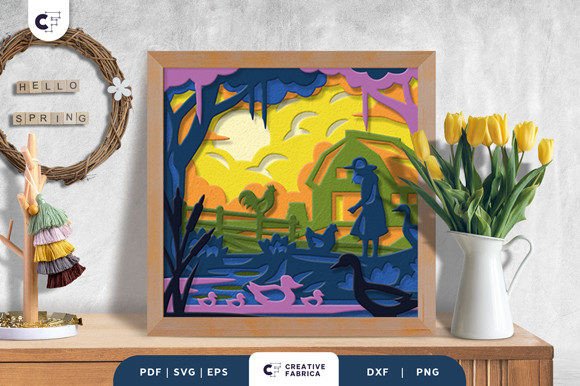
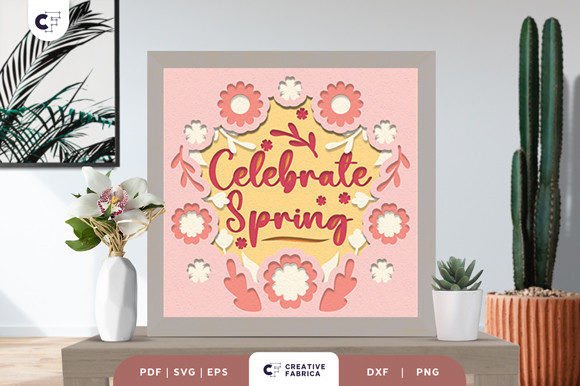
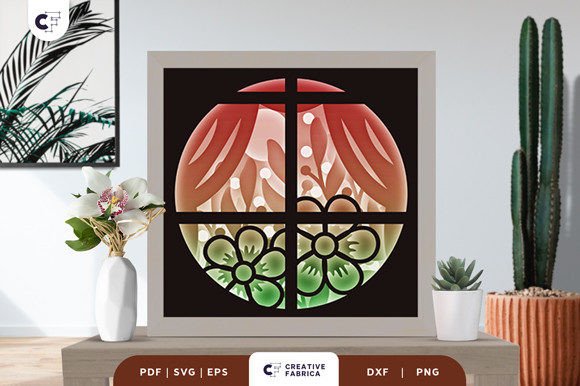
When I first opened the folder for Floral Window 3D Shadow Box Paper Cut, I wasn't just looking at a file; I was visualizing the finished product on a shelf. As a designer who spends hours testing embroidery files for client projects, my first impression is crucial. This design immediately evokes a sense of calm and seasonal renewal. The concept of a "window" framing blooming spring flowers suggests depth and layering that feels distinct from standard flat floral motifs. It isn't just a pattern; it is a scene. For anyone selling handmade goods or building a brand around home decor, this embroidery file offers a narrative element that can elevate a simple item into a story.
The layout creates an immediate focal point. Unlike designs that fill every inch of the hoop with dense texture, this piece relies on negative space to define the window frame and the shadow box effect. This approach is vital for modern aesthetics where clean lines and breathing room are preferred over cluttered stitching. When evaluating Floral Window 3D Shadow Box Paper Cut for real-world application, the potential for high perceived value is evident. It looks sophisticated enough for a boutique pillow cover yet whimsical enough for a child's nursery item.
Real-World Application: From Screen to Stitch
Let me walk you through how I see this design performing in a practical scenario. Imagine you are an Etsy seller preparing a batch of custom embroidered tote bags for a spring market. You want something that screams "fresh start" without being cliché. Placing Floral Window 3D Shadow Box Paper Cut on a natural canvas tote changes the dynamic entirely. The layered look of the paper cut style mimics the complexity of actual paper crafting, but achieved through thread.
I envision using this design on a heavy cotton apron for a kitchen workshop series. The contrast between the sturdy fabric and the delicate floral details inside the "window" would create a tactile experience that customers love. However, not all fabrics behave the same way. If you attempt to stitch this on a thin, stretchy jersey knit, the structural integrity of the "window" frame might warp. The design requires a stable base to maintain its geometric illusion. For best results, I recommend pairing this with medium-weight cotton duck, linen, or denim. These materials provide the necessary stability to support the density required for the shadow box effect.
Another strong use case is for baby items. A onesie featuring this design could be stunning, but one must be careful with placement. The "window" motif works beautifully on the chest area of a sweatshirt or as a central patch on a bib. The softness of the surrounding floral elements contrasts well with the structured frame, creating a gentle aesthetic that parents appreciate. When designing personalized gifts, such as a monogrammed throw pillow, this design serves as an excellent backdrop for adding a name or date within the window pane, provided the font chosen complements the intricate nature of the flowers.
Technical Considerations for Embroidery Success
Before you hit the start button on your machine, there are critical technical factors to consider. The term "3D SVG" implies depth, which in embroidery translates to specific stitch types and densities. To achieve the paper cut look, the design likely utilizes a mix of satin stitches for the borders and fill stitches for the floral centers. If the stitch density is too high, the fabric may pucker, ruining the illusion of a flat window frame. Conversely, if the density is too low, the design will lack definition and look washed out.
Stabilizer selection is non-negotiable here. Because the design features distinct lines and potential small details, I strongly advise using a tear-away stabilizer for woven fabrics to ensure crisp edges. For knits, a cut-away stabilizer is essential to prevent distortion during wear and washing. Always test the design on a scrap piece of your intended fabric before committing to a final product. This step allows you to adjust thread tension and confirm that the stitch density is appropriate for the material.
Thread color choice plays a massive role in the success of Floral Window 3D Shadow Box Paper Cut. Since the design relies on contrast to show the layers, using threads that blend too closely with the background fabric will flatten the image. I suggest selecting thread colors that pop against the fabric while maintaining a cohesive palette. For example, white or cream flowers on a navy background create a striking window effect, whereas pastel flowers on a light beige fabric might get lost unless the stitch type varies significantly.
Where to Exercise Caution
While this design is versatile, it is not suitable for every project. Small hoop sizes can be problematic if the design includes tiny details or tight corners. The "paper cut" aesthetic often involves fine lines that may not translate well when compressed into a 4x4 hoop. In such cases, the flowers might merge together, losing their individual character. Similarly, textured fabrics like bouclé or heavy chenille can obscure the fine details of the window frame. The uneven surface makes it difficult for the needle to penetrate consistently, leading to skipped stitches or misalignment.
Dense stitch areas are another consideration. If the design has large blocks of fill stitching, it adds significant weight to the garment. On lightweight apparel like a t-shirt, this could cause sagging over time. For commercial embroidery projects involving frequent washing, ensure that the design is anchored properly to prevent unraveling. Dark fabrics present their own challenges; if the design uses light-colored threads, the contrast might be insufficient without a backing layer or underlay adjustment.
Curved surfaces, such as caps or hats, require careful digitizing adjustments. While the design might look great on a flat surface, the curvature of a cap can distort the "window" perspective. Unless the file has been specifically optimized for curved stitching, I recommend avoiding this design for headwear unless you have the tools to manipulate the layout manually.
Building Trust and Value Through Design
In the world of handmade products and craft business, presentation is everything. A well-executed embroidery project builds customer trust and reinforces brand consistency. Floral Window 3D Shadow Box Paper Cut offers a professional finish that signals quality to buyers. When customers see a design that looks intentional and technically sound, they are more likely to perceive the product as premium.
For digital product sellers, this design can serve as a powerful asset for printable mockups. Showing a preview of the design on various backgrounds helps potential buyers visualize the final outcome. It enhances engagement by demonstrating versatility across different mediums, from home decor to apparel. However, always remember to check licensing terms before selling finished items or distributing digital assets. Ensuring you have the right permissions protects your reputation and avoids legal issues.
Ultimately, the decision to use Floral Window 3D Shadow Box Paper Cut comes down to understanding your audience and the limitations of your equipment. By testing thoroughly, choosing the right materials, and paying attention to detail, you can transform a digital file into a cherished physical object. Whether you are creating a holiday gift for a loved one or stocking a boutique with unique merchandise, this design provides a foundation for creativity that feels both timeless and contemporary.
As you move forward with your next embroidery project, keep these practical insights in mind. Let the design guide your material choices and inspire your creative process. With careful execution, Floral Window 3D Shadow Box Paper Cut can become a standout piece in your portfolio, bringing a touch of spring and elegance to every finished product.