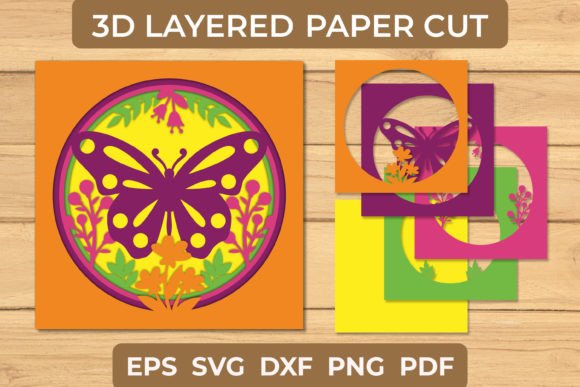
Floral Spring Butterfly 3D Paper Cut Review
As a designer who spends countless hours testing digital assets before they hit the hoop, I approach every new download with a mix of excitement and skepticism. When I first encountered Floral Spring Butterfly 3D Paper Cut, my initial reaction was one of visual delight. The concept of a paper-cut aesthetic translated into a machine embroidery design is not always successful; often, the layers become muddy or the details get lost in the stitching. However, this specific file promises a unique depth that could elevate standard spring-themed projects from simple to spectacular.
The immediate mood created by Floral Spring Butterfly 3D Paper Cut is light, airy, and distinctly seasonal. It captures the essence of early spring without feeling cluttered. For an embroidery project, the layout suggests a design that relies heavily on texture and layering rather than just flat color blocks. This is crucial for anyone looking to create high-end handmade products where visual interest is paramount. Whether you are a hobbyist making gifts for neighbors or a boutique owner stocking shelves for the Easter market, understanding how this design translates from screen to fabric is the difference between a sellable item and a disappointment.
Real-World Application: From Screen to Stitch
I recently decided to test Floral Spring Butterfly 3D Paper Cut on a custom tote bag project for a local artisan fair. My goal was to create a reusable shopping bag that felt fresh and organic, moving away from the typical bold graphics found on store-bought totes. The design's intricate floral elements and the central butterfly motif offered a perfect opportunity to showcase different stitch types. In theory, the "3D" aspect implies a need for varied stitch densities, perhaps utilizing satin stitches for the outlines of the petals and fill stitches for the body of the butterfly to give it weight.
In practice, the design performed admirably on a sturdy canvas tote. The sharp lines of the paper-cut style held up well against the coarse weave of the fabric, creating a striking contrast. Customers at the fair were immediately drawn to the piece because it looked more like a layered craft project than a mass-produced print. The embroidery file allowed for a level of detail that mimics the precision of actual paper cutting, which adds a perceived value to the finished product. When a customer sees the depth created by the stitching, they understand the effort involved, which justifies a higher price point for your handmade product.
However, I also considered how this design would translate to other items in a small business catalog. Imagine applying Floral Spring Butterfly 3D Paper Cut to a baby onesie or a nursery pillow cover. The soft curves of the flowers and the delicate wings of the butterfly fit perfectly within the gentle aesthetic required for infant apparel. The design is versatile enough to work as a standalone center chest placement on a sweatshirt or as a decorative accent on the cuff of a pair of pajamas. Its adaptability makes it a valuable asset for any Etsy seller looking to expand their inventory with cohesive seasonal collections.
Navigating Technical Challenges
While the visual appeal is undeniable, using Floral Spring Butterfly 3D Paper Cut requires careful planning. Not every surface is suitable for such a detailed design. If you attempt to place this on a stretchy knit fabric like a thin t-shirt or a cap without proper stabilization, the tension will likely cause the intricate details to pucker. The "paper cut" look relies on crisp edges, and puckering destroys that illusion instantly.
For curved surfaces like caps or fitted hats, the complexity of the design might be too much for smaller hoops. A large, detailed image can distort when forced around the curve of a hat, causing the top of the butterfly or the tips of the leaves to lose definition. In these cases, it is often better to scale the design down slightly or choose a flatter area of the garment. Additionally, if you are working with dark fabrics, the thread colors must be chosen with extreme care. A light-colored butterfly on a black background can sometimes lose its definition if the underlay is not sufficient, making the design look flat rather than three-dimensional.
Another critical consideration is the washability of the final item. Because this design likely incorporates dense areas to simulate the paper texture, it needs robust stabilizers to prevent tearing during repeated washing. For commercial embroidery projects intended for frequent use, such as aprons or kitchen towels, the density of the stitches must be balanced so the fabric remains flexible. If the design is too stiff, it will crack over time, damaging the reputation of your brand.
Designer Notes for Professional Results
Before committing to a full production run, I strongly advise running a test on scrap fabric. This step is non-negotiable for professional designers. Use the same fabric and stabilizer combination you plan to use for the final product. Check the thread color contrast closely; sometimes a color that looks perfect on a monitor appears dull once stitched. Pay special attention to the small details in the flower centers and the butterfly antennae. If these tiny elements are too fine, they may break easily or get lost in the fabric weave.
Review the stitch density settings in your software. If the design is too dense, it can warp the fabric, especially on lightweight materials. Conversely, if it is too sparse, the 3D effect will vanish. Confirm that your hoop size matches the dimensions of the design; forcing a large design into a small hoop often leads to misalignment. Also, inspect the design in black and white mockups to ensure the contrast holds up without relying on color alone.
Finally, verify the licensing terms associated with the digital embroidery file. Even though the package includes various formats like SVG, AI, EPS, PNG, PDF, and DXF, the rights to sell finished items made from these files vary. Ensure you have the correct permissions for commercial use if you intend to sell the embroidered tote bags, patches, or personalized gifts. Ignoring this can lead to legal issues and financial loss.
Final Thoughts on Visual Impact
Floral Spring Butterfly 3D Paper Cut offers a sophisticated take on spring motifs that stands out in a crowded marketplace. It bridges the gap between traditional embroidery and modern graphic design, appealing to customers who appreciate craftsmanship. When executed correctly, it enhances the visual appeal of any project, boosting customer trust and engagement. Whether you are creating a holiday gift, a boutique branding element, or a custom apparel piece, this design provides the foundation for a professional-looking finished product.
By paying attention to fabric selection, stabilization, and stitch quality, you can unlock the full potential of this design. It is not just a pattern; it is a tool for storytelling through thread. For the creative entrepreneur or the skilled hobbyist, investing time in mastering the nuances of Floral Spring Butterfly 3D Paper Cut will pay off in the form of satisfied customers and a stronger portfolio. Just remember to test thoroughly, respect the limitations of your materials, and let the beauty of the design shine through in your work.