Cute Ghost Raccoon Svg Review for Embroidery
When I first opened the file package labeled Cute Ghost Raccoon Svg, Halloween Svg, my immediate reaction was a mix of delight and practical skepticism. As someone who has spent years reviewing digital assets for real-world embroidery projects, I know that a cute thumbnail often hides stitching nightmares. This design sits right in that sweet spot where whimsical character art meets the technical constraints of machine embroidery. It is categorized under Crafts and Graphics, but for an embroiderer, it represents a potential bestseller or a charming personal gift, depending on how you execute it.
The First Stitch: Visual Personality and Mood
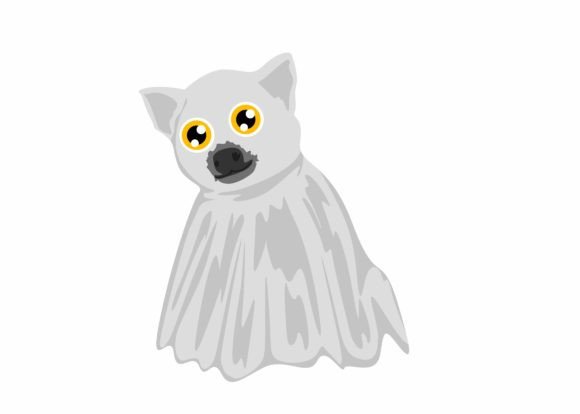
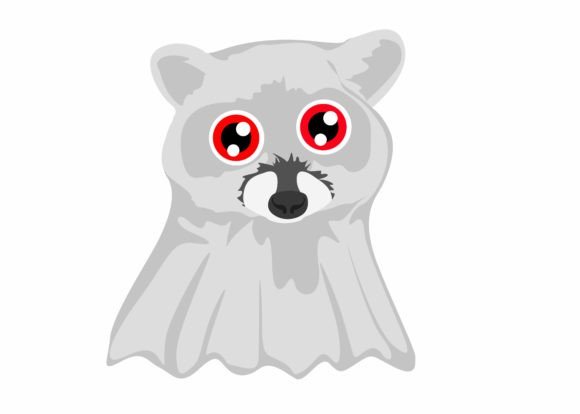
The core appeal of this design is its dual nature. You have the spooky element of a ghost combined with the mischievous charm of a raccoon. In the context of a holiday collection, this creates a mood that is festive without being overly aggressive. Unlike traditional jack-o'-lanterns which can feel repetitive, a ghostly raccoon offers a unique narrative hook. The shapes are generally clean, which suggests good potential for satin stitch outlines, while the fluffier areas of the raccoon's fur will likely require a well-executed fill stitch.
From a visual standpoint, the layout feels balanced. It avoids the cluttered look that often plagues low-quality vector files converted for embroidery. The "cute" factor is crucial here because it expands the target audience beyond just Halloween enthusiasts. Parents looking for baby items, crafters making tote bags, or boutique owners stocking seasonal decor will find this theme highly marketable. It bridges the gap between a standard holiday motif and a standalone character design that could be used year-round with a simple color swap.
Real-World Application: From File to Finished Product
Let's imagine a specific scenario. You are preparing inventory for a small shop selling handmade goods. You decide to create a line of embroidered patches and custom sweatshirts featuring the Cute Ghost Raccoon Svg, Halloween Svg. How does this design perform in that environment?
For a tote bag design, this is a winner. The raccoon shape is compact enough to fit comfortably on the front panel without overwhelming the canvas, yet detailed enough to stand out against a plain background. When stitched onto a sturdy cotton tote, the contrast between the white ghost elements and the dark raccoon features would pop beautifully. Similarly, for sweatshirt embroidery, the design works well as a chest logo or a larger graphic on the back. The rounded edges of the ghost translate well to the soft texture of fleece or jersey blends, avoiding the sharp corners that might snag or distort on stretchy fabrics.
I also see significant potential for baby embroidery. A tiny version of this design on a onesie or a burp cloth would be incredibly popular. The soft, rounded lines of the raccoon are gentle and non-threatening, making it perfect for nursery decor or infant gifts. For kitchen towels or aprons, the design adds a playful touch that elevates a utilitarian item into a conversation piece. If you are an Etsy seller or running a craft business, this asset provides a versatile foundation for creating personalized gifts that feel premium and thoughtfully designed.
Navigating Technical Challenges and Limitations
However, not every project is a guaranteed success. There are specific scenarios where the Cute Ghost Raccoon Svg, Halloween Svg requires careful consideration. One major concern is the use of this design on curved surfaces like caps or hats. While the central image is manageable, the outer contours of a raccoon tail or ghost sheet might distort if the hoop size is too small or if the fabric tension is uneven. Curved surfaces demand precise digitizing, and without knowing the exact stitch count provided in the file, there is a risk of puckering.
Another critical area is fabric choice. Thin or highly textured fabrics can obscure the details of the design. If the stitch density is high, using this on a lightweight linen or a loose-weave mesh could cause the fabric to bunch up around the stitches. Furthermore, on dark fabrics, the white elements of the ghost might get lost unless you utilize a high-density underlay or a contrasting thread color effectively. I always advise testing on scrap fabric first to ensure the thread colors provide enough separation between the ghost and the raccoon.
Dense stitch areas are another point of caution. If the digitizer packed too many stitches into the fill areas to achieve a smooth look, the resulting embroidery might become stiff and lose the soft texture expected from a "cute" character. This stiffness can detract from the quality of a handmade product, making it feel less comfortable to wear. Always inspect the embroidery file for excessive density before committing to a full production run.
Impact on Brand Value and Customer Trust
In the world of commercial embroidery and small shop products, the quality of your design directly influences customer trust. A crisp, well-stitched Cute Ghost Raccoon Svg, Halloween Svg signals professionalism. It tells the buyer that you care about the details and that the finished product will hold up after washing. Conversely, a poorly executed design with broken lines or messy jumps can make even the most creative idea look cheap.
This design has strong giftability potential. The combination of a spooky season theme with an adorable animal creates an emotional connection that buyers love. Whether it is for a wedding gift (if adapted), a holiday gift, or a birthday present, the uniqueness of the raccoon ghost makes it memorable. It helps establish a consistent brand identity for creators who want to be known for high-quality, whimsical designs. When customers receive a finished product that looks exactly like the printable mockup they saw online, their engagement with your brand skyrockets.
Practical Designer Notes for Success
Before you start stitching, there are several steps you must take to ensure the embroidery project goes smoothly. First, verify the hoop size requirements. The file description mentions easily framable sizes, but you need to confirm if the design fits your specific machine hoops without needing to split the image. Splitting a design can ruin the flow of the raccoon's body, so keeping it intact is ideal.
Check the file formats carefully. The package includes PNG, EPS, and SVG files, which is excellent for versatility. However, remember that SVG is a vector format for cutting machines, while embroidery machines typically require PES, DST, or similar native formats. Ensure you have the correct conversion tools or that the package includes the necessary machine-specific files. If the file only contains vector graphics, you will need to digitize them yourself or use a reliable converter, keeping in mind that automatic conversions often fail to account for stabilizer needs or thread breaks.
Always test the design on a black-and-white mockup to check the balance of light and dark elements. This helps you visualize how the fabric texture will interact with the design. If you plan to sell these items, review the licensing terms thoroughly. Confirm whether you are allowed to sell the digital embroidery file itself or only the physical items created with it. Many creators overlook this, leading to legal issues down the road.
Finally, invest in the right stabilizer. For a design like this, which likely combines outlined shapes with filled areas, a cut-away stabilizer is usually best to prevent distortion over time, especially for items that will be washed frequently. By paying attention to these details, you transform a simple digital download into a professional-grade asset that elevates your entire craft business.