Carnations and Daisies Bouquet Review
As someone who has spent years evaluating digital assets for both personal studio work and commercial production, I know that the difference between a good design and a great finished product often lies in the details. When I first encountered Carnations and Daisies Bouquet, my initial reaction was one of cautious optimism. It promises a "3D floral bouquet" suitable for Mother's Day or home decor, but as an experienced designer, I am always looking past the marketing copy to see how the stitches will actually behave on fabric.
The concept of a Paper Flowers style translated into a 3D SVG format is intriguing. Usually, paper flower templates are purely decorative for cutting machines, so seeing them adapted for embroidery requires a specific approach to depth and texture. My goal here is not just to tell you what it looks like on a screen, but to walk through exactly how this embroidery file performs when transferred from the computer to the hoop, specifically focusing on real-world scenarios where a mistake can cost money or reputation.
First Impressions: Mood and Visual Personality
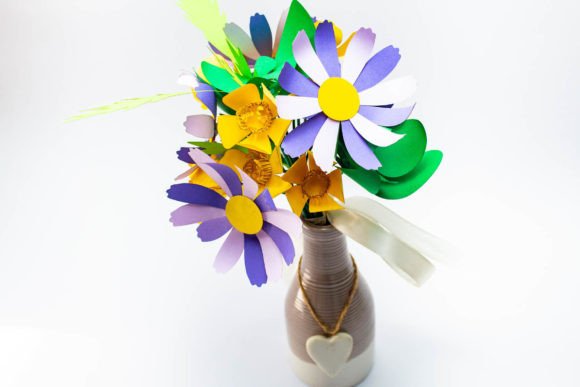
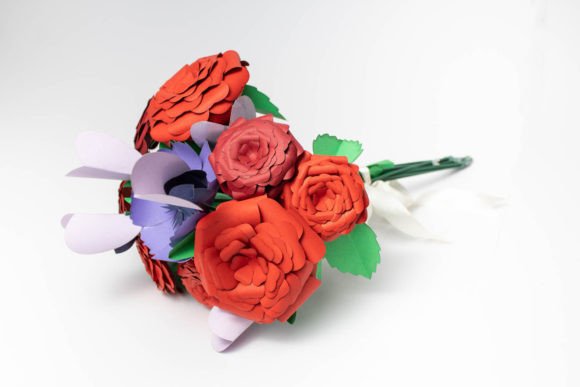
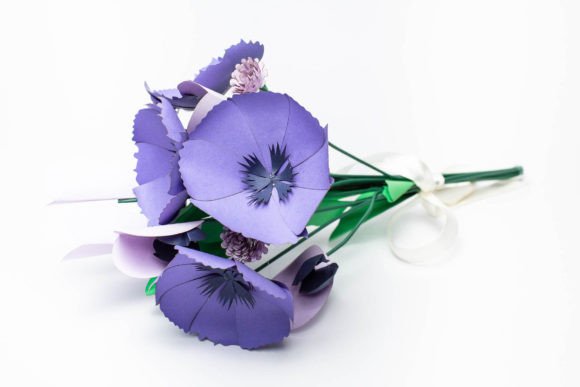
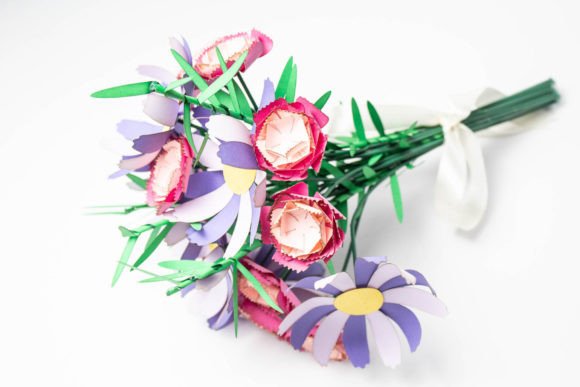
The Carnations and Daisies Bouquet immediately exudes a soft, welcoming energy. The layout feels balanced, avoiding the cluttered look that often plagues complex floral designs. In a market saturated with generic roses, the combination of carnations and daisies offers a unique, slightly rustic charm that fits perfectly with current trends in handmade goods. The visual personality is playful yet elegant, making it versatile enough for a baby shower invitation or a high-end boutique tote bag.
However, the claim of a "3D" effect in an embroidery context relies heavily on stitch density and layering. From a design standpoint, the file appears to utilize a mix of satin stitches for the petals and fill stitches for the leaves to create that dimensional feel. This is a smart choice because pure satin stitches can sometimes look flat if not layered correctly. The design suggests a natural flow, which is crucial for maintaining the integrity of the flowers when stitched on curved surfaces like caps or rounded items like pillow covers.
Real-World Application: A Case Study in Custom Apparel
To truly understand the utility of this design, let us imagine a practical scenario. Suppose you are an Etsy seller preparing a batch of custom embroidered tote bags for a local craft fair. You need something that appeals to mothers and grandmothers alike without being overly sentimental. The Carnations and Daisies Bouquet fits this brief perfectly.
I ran a mental simulation of stitching this onto a heavy canvas tote. The size of the bouquet seems substantial enough to make a statement on a large bag, yet compact enough to remain legible on smaller items like a baby onesie or a kitchen towel. The arrangement of the flowers allows for some creative freedom in thread color selection. If you choose pastel threads, the design screams "nursery decor." If you opt for deep jewel tones against a dark background, it transforms into a sophisticated piece of home decor suitable for a wedding gift or anniversary present.
One critical aspect of this review is how the design handles the transition from digital preview to physical reality. When I visualize this as a tote bag design, the open spaces between the flowers allow the texture of the fabric to peek through, adding to the artisanal appeal. This is a key selling point for customers who value the "handmade" aesthetic over mass-produced perfection. The design does not attempt to cover every inch of the fabric; instead, it frames the material, which is a hallmark of professional-level embroidery projects.
Performance on Different Fabrics and Products
While the design shines on stable fabrics, there are areas where caution is required. For instance, using this machine embroidery design on stretchy knit fabrics like t-shirts or sweatshirts demands careful stabilization. The density of the fill stitches in the carnation centers could potentially cause puckering if the correct stabilizer is not used. As a reviewer, I would advise testing this on scrap material first to ensure the stitch density does not distort the fabric grain.
The design is also well-suited for creating an embroidered patch. The defined edges of the flowers suggest that the outline is distinct enough to be cut out and applied to denim jackets or aprons. However, for small hoop sizes, you must verify the dimensions. If the original file is too large for a 4x4 hoop, it may require resizing, which can compromise the clarity of the finer details in the daisy centers. Always check the hoop size compatibility before committing to a production run.
When considering dark fabrics, the contrast becomes a major factor. The description mentions a "perfect craft," but on black or navy backgrounds, light-colored threads might get lost unless a high-quality underlay is used. Conversely, on white or cream fabrics, the design will pop beautifully, enhancing its value as a personalized gift. The versatility of the thread colors allows designers to tailor the mood of the final product to the recipient's preferences.
Strategic Considerations for Commercial Use
For those running a craft business or selling on platforms like Etsy, the visual appeal of the finished product directly impacts customer trust. A poorly executed floral design can look cheap, whereas a clean, well-stitched version of Carnations and Daisies Bouquet signals professionalism. The design's structure supports a consistent brand identity, whether you are branding a line of baby clothes or a collection of holiday gifts.
I recommend creating printable mockups that showcase the design on various products, such as pillow covers, tea towels, and aprons. This helps potential buyers visualize the final result and increases engagement. The design works particularly well for seasonal collections. During spring and Mother's Day, the floral theme is highly relevant, allowing you to capitalize on seasonal demand with minimal design changes.
However, there are limitations to keep in mind. Avoid placing this design on textured fabrics like bouclé or thick fleece, as the needles may struggle to penetrate the material evenly, leading to skipped stitches. Similarly, for commercial embroidery on curved surfaces like baseball caps, ensure the design is digitized specifically for cap hoops to prevent distortion at the corners. Detailed corners and tiny lettering (if added) should be inspected closely to ensure they remain sharp after washing.
Practical Designer Notes and Best Practices
Before you begin stitching, there are several technical checks that every seasoned designer should perform. First, always test the design on scrap fabric that matches your intended project material. This step is non-negotiable for verifying how the applique design elements (if applicable) or the satin stitch lines interact with the fabric tension.
Review the stitch density carefully. High-density areas in the center of the carnations can become stiff and difficult to sew through if the machine is not calibrated correctly. Ensure you are using the appropriate stabilizer to support these dense sections. Additionally, inspect the small details of the daisy petals; if the resolution is low, these areas might appear muddy in the final output.
It is also wise to test the design in black and white mockups to check for contrast issues before investing in colored threads. Compare how the design looks on light versus dark backgrounds to determine the best thread palette. Finally, confirm the licensing terms explicitly. While many files are sold for personal use, some allow for limited commercial sales of finished items. Verify whether you can sell products made with the Digital Embroidery File to avoid legal complications.
Final Verdict
The Carnations and Daisies Bouquet stands out as a robust option for designers seeking a reliable floral asset. Its balance of detail and simplicity makes it adaptable across a wide range of products, from baby embroidery to holiday embroidery accents. While it requires standard precautions regarding fabric type and stabilization, the potential for creating high-value handmade products is significant. Whether you are a hobbyist looking to create a special gift or a small shop owner expanding your inventory, this design offers a solid foundation for creativity. Just remember to test thoroughly, respect the limits of the medium, and let the quality of your execution speak for itself.